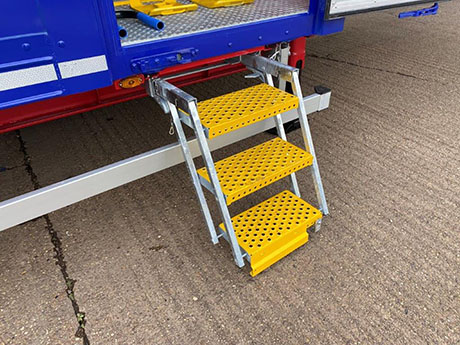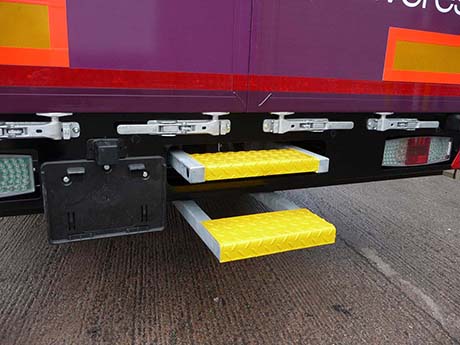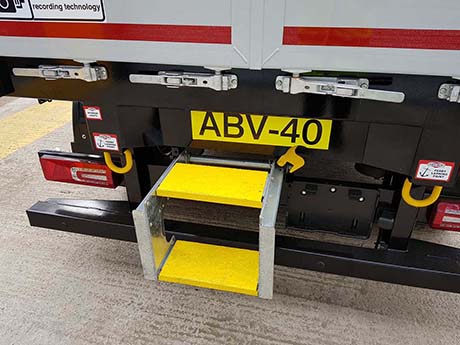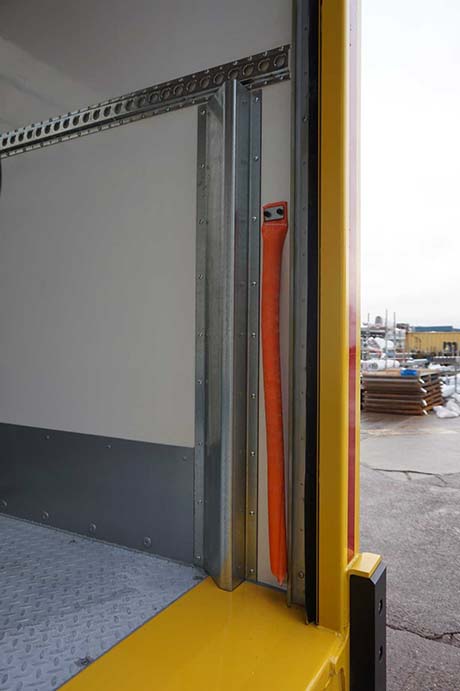
Trailer & Rigid Vehicle Access Features
Safe and efficient access to trailers and rigid bodywork is important for loading, unloading, inspection and maintenance. Access features are designed to improve usability while helping reduce the risk of slips, trips and falls during routine operations.
This section covers a range of access-related features used across commercial vehicle bodies, including:
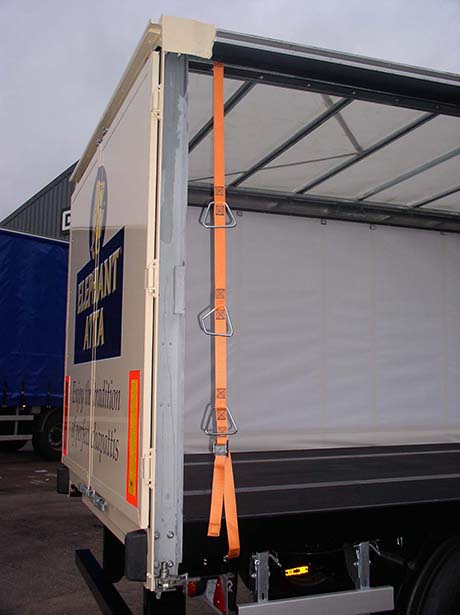
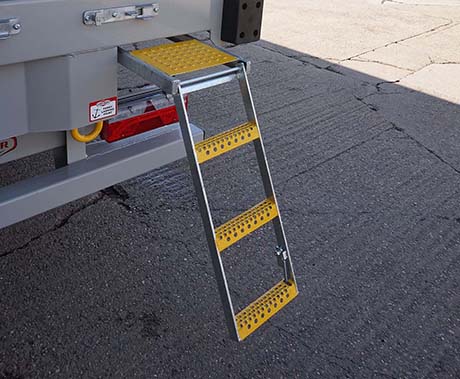
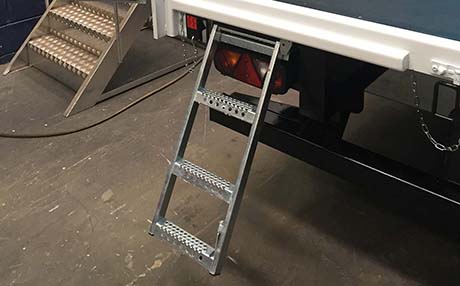
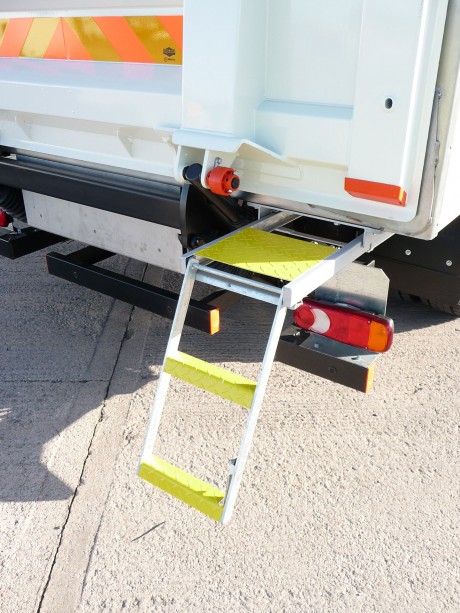
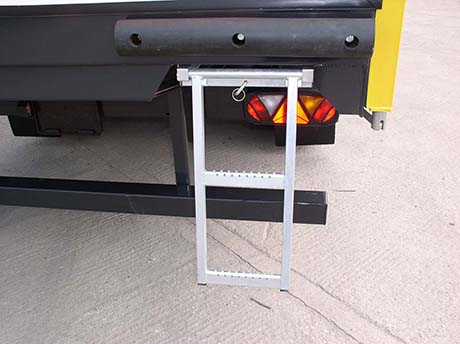
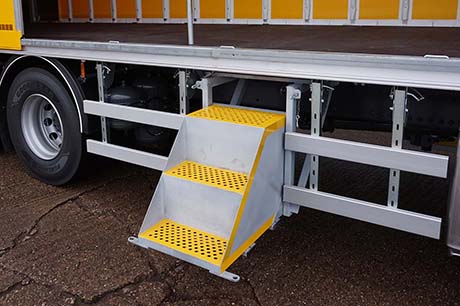
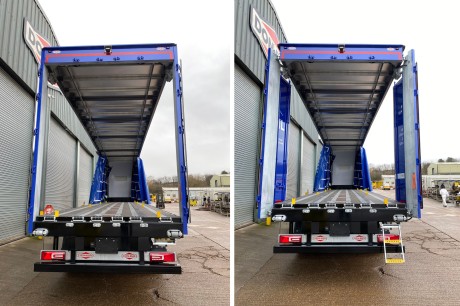
- Integrated fold-out steps and access platforms
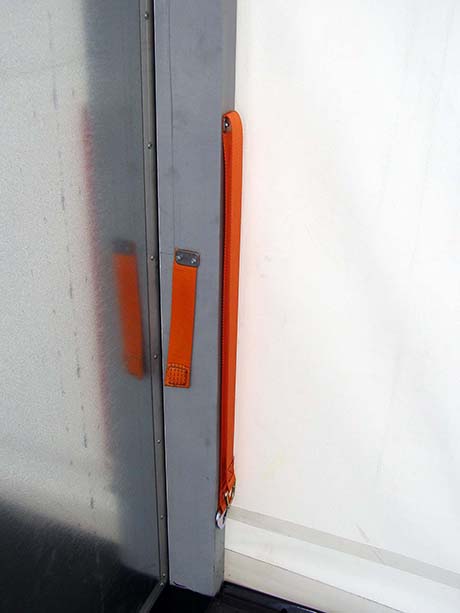
- Rear door access aids
- Internal ladders
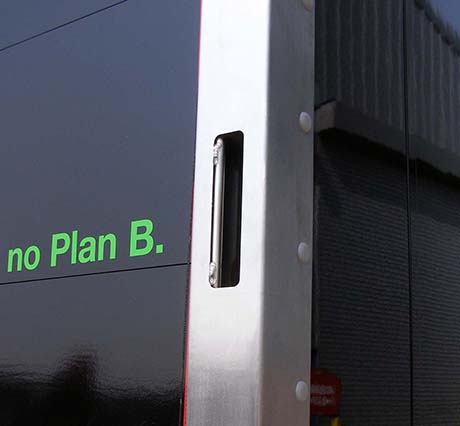
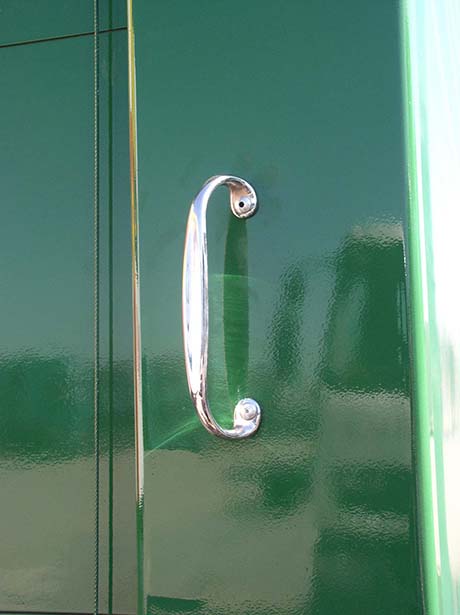
- Grab handles and handholds
- Docking support systems
These features are typically integrated into the vehicle structure or specified as part of the body design, depending on operational requirements and access frequency.
How to choose: Consider where access is required (rear, side or internal), how often it is used, and the level of safety support needed. Features should match the vehicle's operating environment and the tasks being carried out.
Choosing the Right Access Features
Selecting suitable access features depends on how the vehicle is used, who needs access, and the level of safety and durability required. Different operating environments place different demands on access equipment.
Key considerations include:
- Frequency of access: Regular access to the load space or roof area may justify integrated steps or fixed ladders rather than temporary solutions.
- Access location: Rear, side and internal access points each require different arrangements, particularly where space or clearance is limited.
- Load type and handling: Equipment such as tail lifts or internal restraint systems may affect where access aids are positioned.
- Health and safety requirements: Anti-slip surfaces, secure handholds and stable access points help reduce the risk of falls during routine operations.
- Vehicle type: Trailers and rigid bodywork may have different structural constraints, which can affect how features are integrated.
Access features are often specified at build stage but can also be retrofitted where operational requirements change.