
Longer Semi-Trailers (LSTs) | Up to 60 Pallets | Pros & Cons
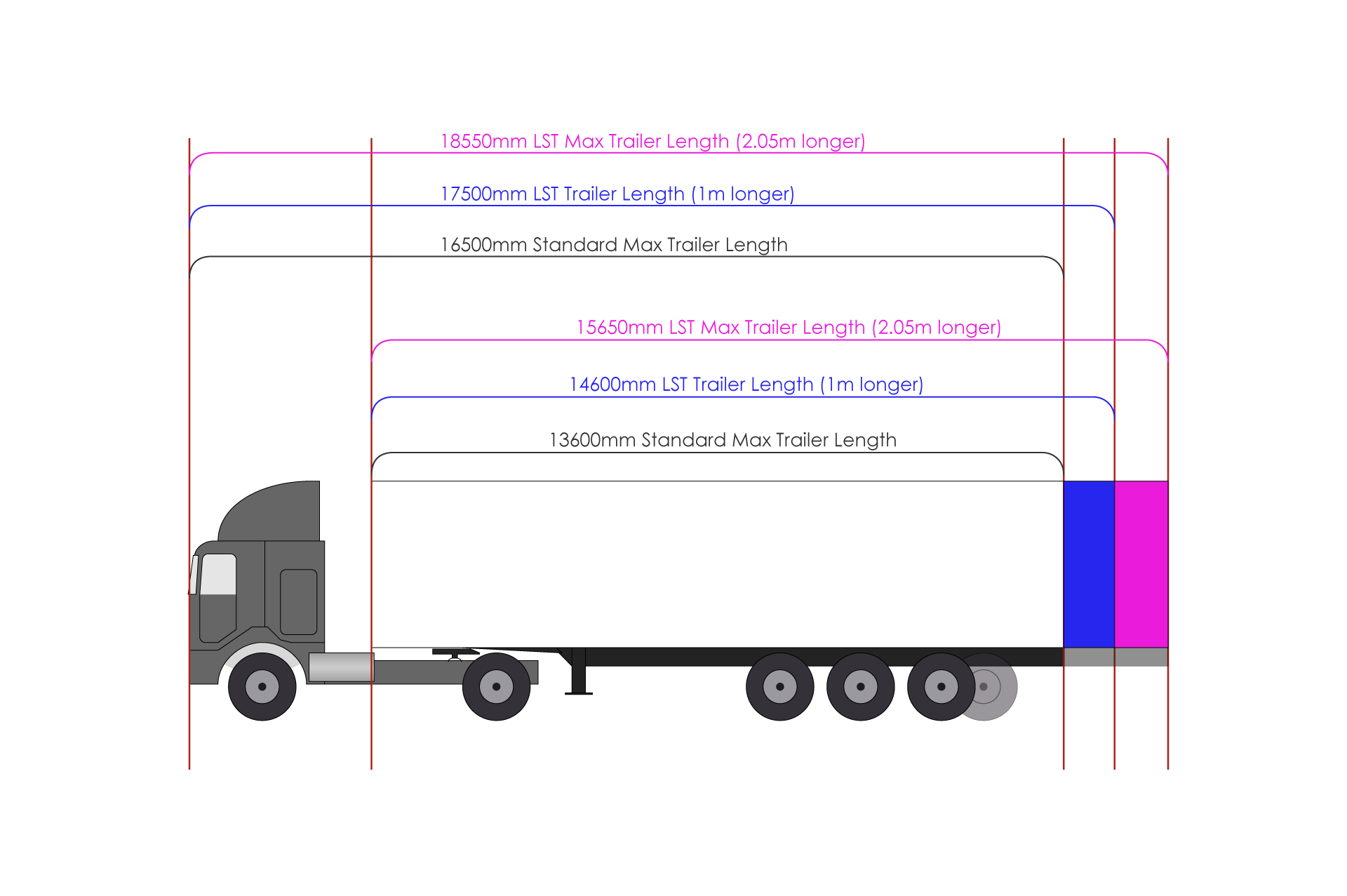
Longer Semi-Trailers (LSTs) are now legal for use on UK roads and offer a significant advantage for freight transport. These trailers are up to 2.05m longer than a standard 13.6m version, extending the total length to 15.65m. This additional length enables LSTs to carry up to 60 UK pallets, providing a 15% increase in volume over their standard-length counterparts.
LSTs are particularly well-suited for light and medium freight operators. The extra load capacity translates to:
- Reduced delivery frequency: Fewer trips needed to deliver the same amount of freight.
- Fuel savings: Increased efficiency with fewer trips.
- Lower CO2 emissions: Contributing to a more sustainable transport solution.
For operators seeking to optimise their fleet for greater capacity, efficiency, and sustainability, Longer Semi-Trailers are a game-changer.
Page Contents
- Operating LSTs Legally On UK Roads
- Key Features & Options
- Additional Capacity
- Quick Guide to LSTs
- Gallery
- Related Content
- Related Links
Related Pages
- Are LSTs Legal Yet?: Learn about the legal requirements and how LSTs comply with UK road regulations.
- Longer Semi-Trailers Finally Roll Out: Discover the latest news on the UK rollout and their adoption in the transport industry.
- LSTs: Steering Towards the Right Specification: Read about the specifications and design considerations of LSTs to ensure they meet operational needs.
We’d love to hear from you – get in touch today!
Operating LSTs Legally On UK Roads
From 31st May 2023, Longer Semi Trailers can be operated on UK roads.
An amended Road Vehicles (Authorisation of Special Types) (General) Order 2023 allows operators to run LSTs on pre-planned routes with some operational caveats.
The Longer Semi-Trailer trial, which ran from January 2012, ended on 29th February 2024.
Quick Guide To LST's
- Trailer can be up to 2.05m longer
- Combination length must not exceed 18.55m
- Must be Tri-Axle
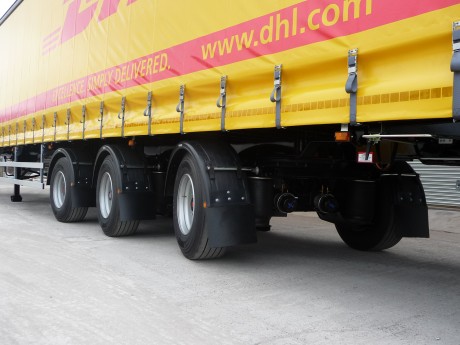
- Steer axle at rear required to avoid tyre scrub
- Must be able to comply with turning circle regulations (Turn within a corridor of radii 5.3m to 12.5m)
- Vehicles are still required to operate within the existing UK GVW of 44 tonnes
Key Features & Options
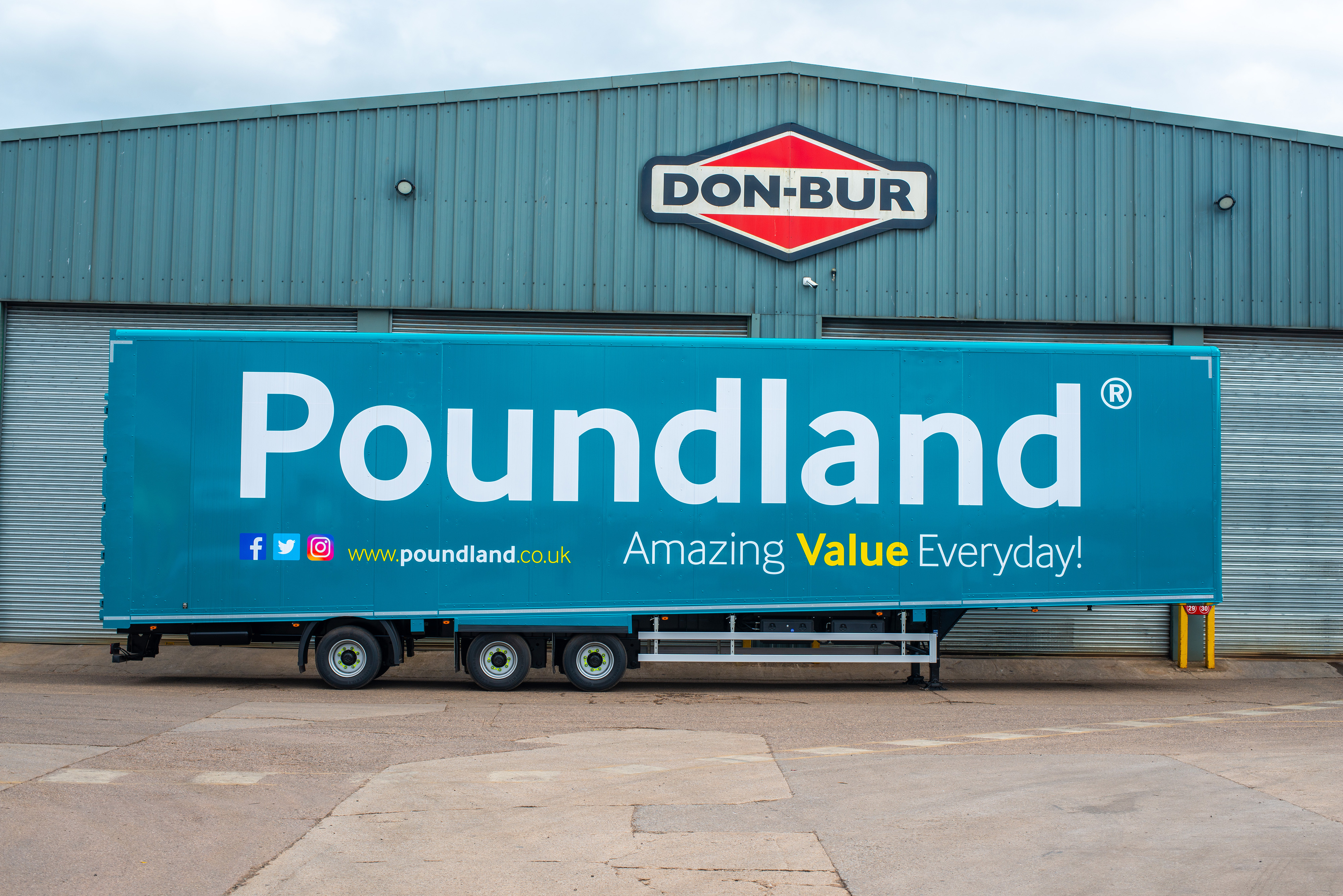
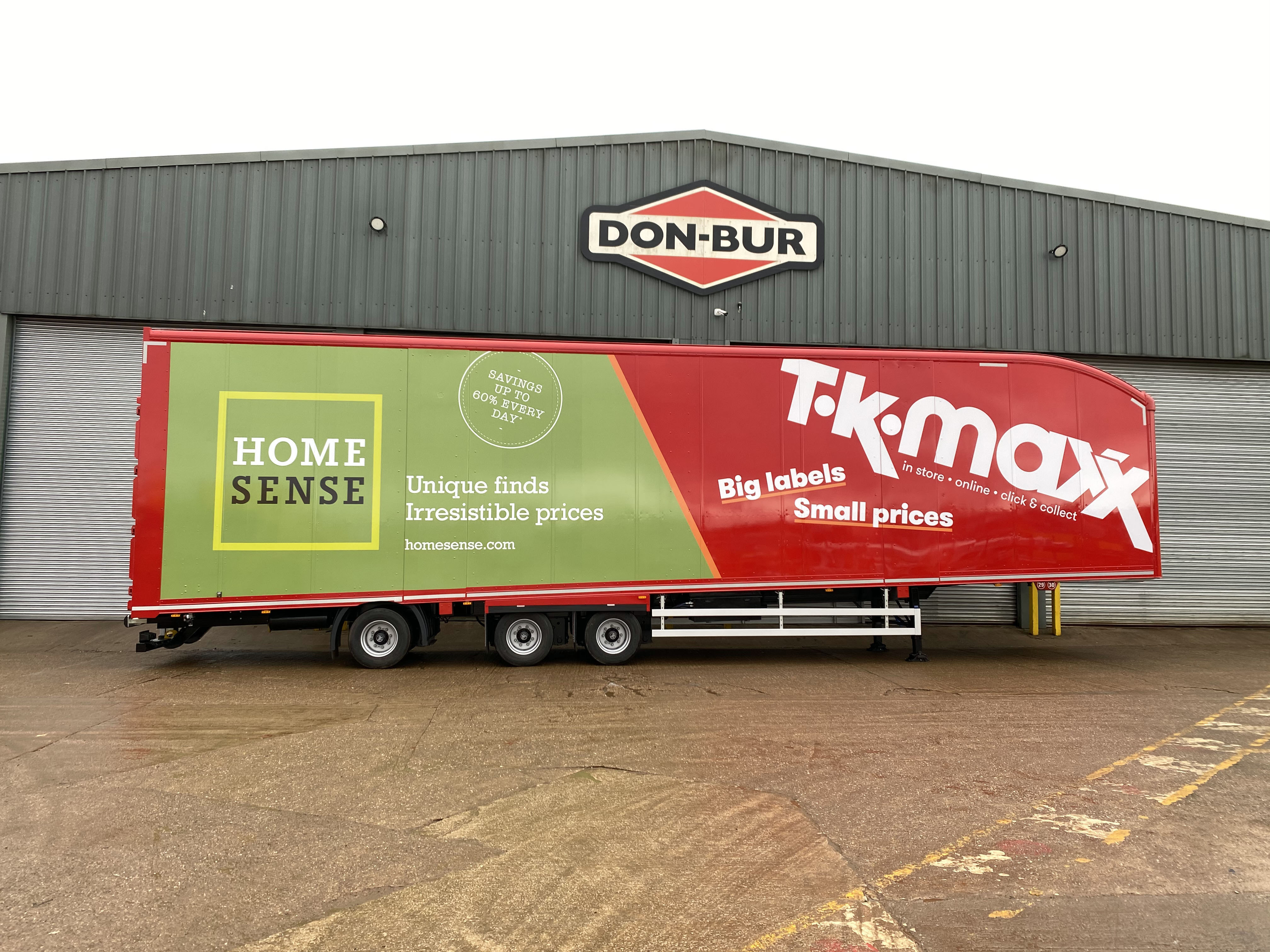
Don-Bur engineered their first 16m trailer in 1999 with an active rear steer system (SCM). Since the DfT announced the LST scheme in 2011 Don-Bur has manufactured numerous designs to suit requirements.
- Straight, Step-Frame or "Wedge" chassis
- Double Deck & Lifting Deck options
- Variable 13.7m to 15.650m lengths
- Self-tracking or positive steer rear axle configurations
360 Viewer
Take a virtual walk around in our 360 panoramic viewer.
Scene menu buttons on the left of the viewer window allow you to navigate around the trailer to look at specific features.
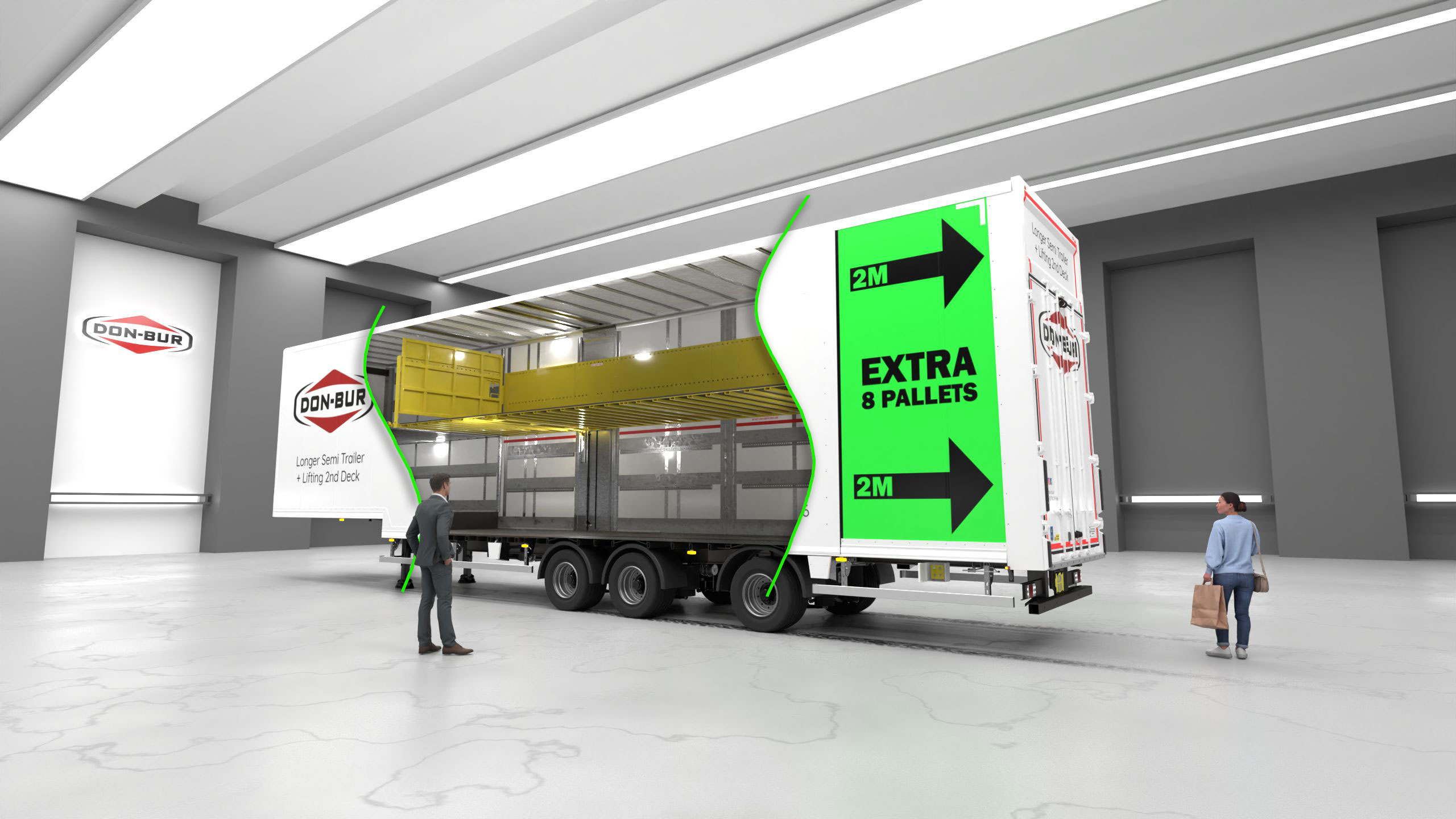
Example shown is a wedge chassis design with full-length lifting deck platform.
Additional Capacity
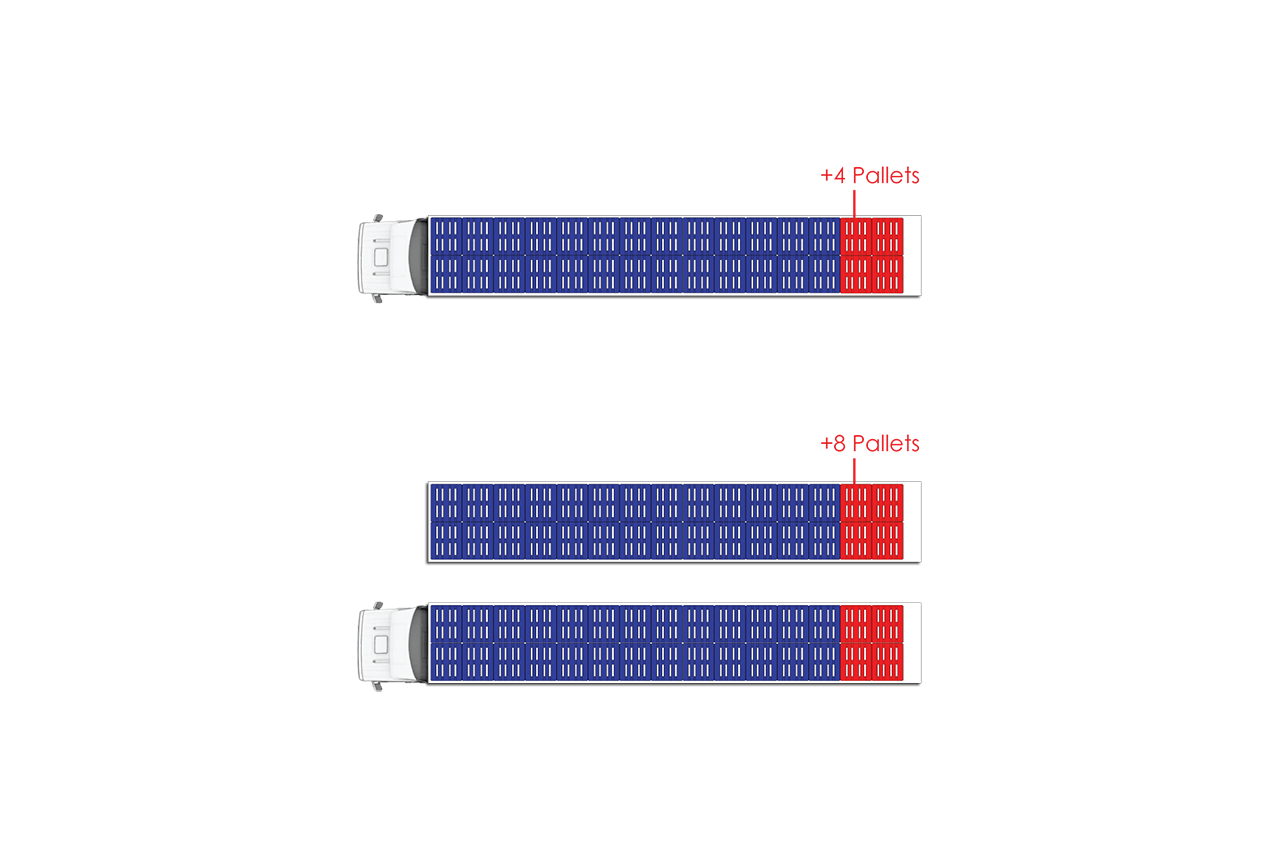
15.650m long LSTs can carry up to 4 additional pallets on single deck trailers and 8 additional pallets on double decks (based on UK Pallets 1200x1000mm). This can potentially reduce your deliveries by up to 1 in every 6.5 trips.
Don-Bur can achieve the same double deck height apertures as their standard length couterparts.
Due to the extra length, unladen trailer weight does increase slightly so we advise caution when calculating your GVW.
Related Content
Tags: lst, longer semi-trailer, steer axle, steering axle
Published: Tue 23 Jan 2024 (Edited: Fri 30 May 2025)
