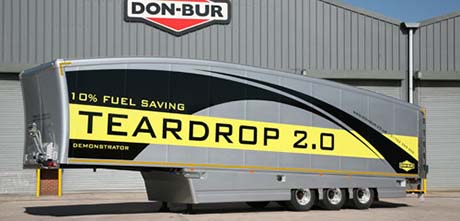
Don-Bur designs, engineers, manufactures and finishes trailers and rigid bodywork entirely in-house. Keeping the full build process under one roof provides direct control of specification, quality assurance and delivery consistency.
From initial engineering through to final inspection, the same team remains accountable for ensuring each vehicle is built for its intended application and for long-term durability in service.
This integrated manufacturing model reduces handovers between suppliers and supports clear communication, traceability of build decisions and joined-up after-sales support.
Design & Engineering
Engineering capability underpins the in-house manufacturing approach. Design engineers apply experience in specialist vehicle design and structural optimisation to ensure each build meets operational requirements without unnecessary complexity.
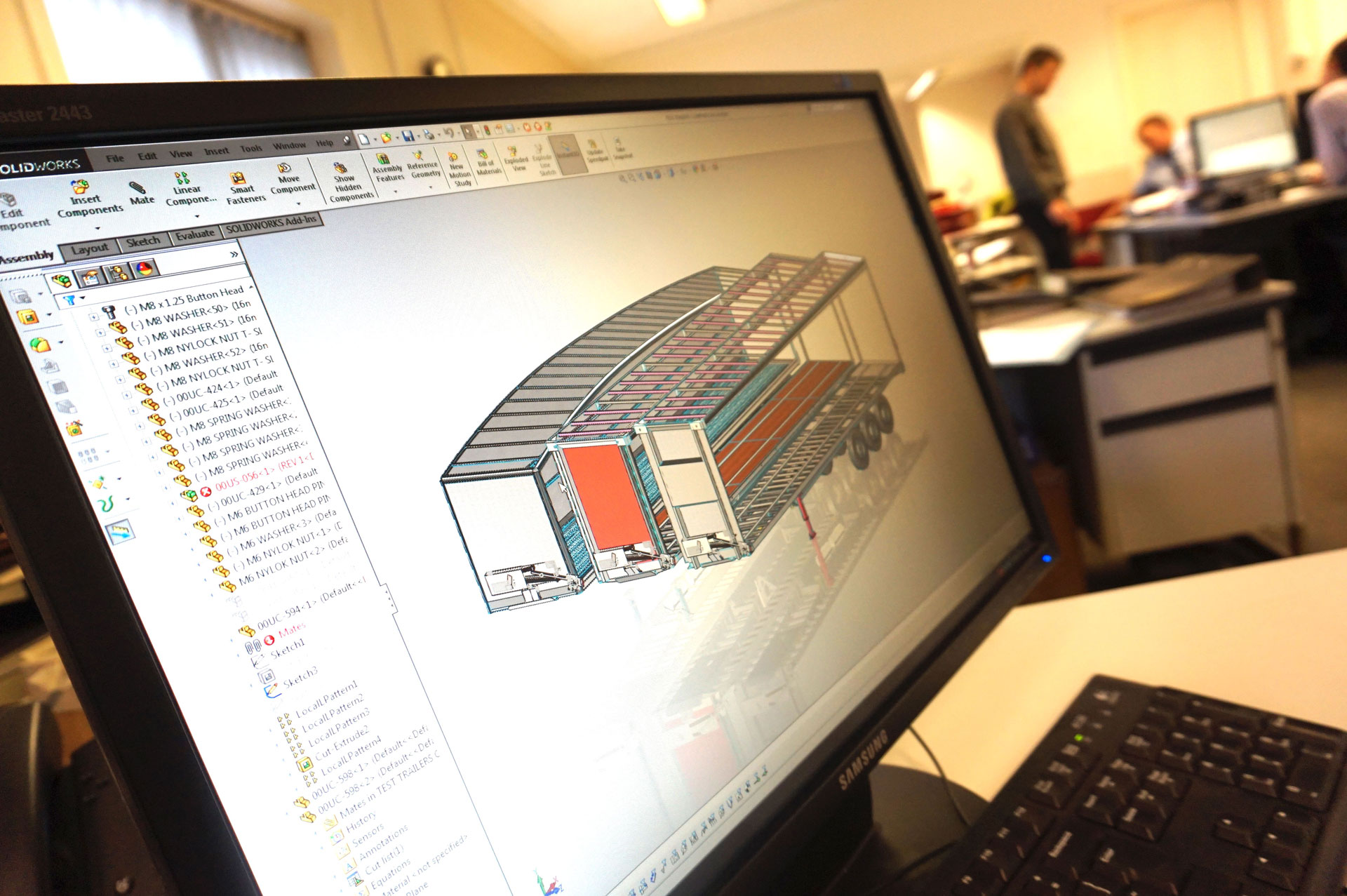
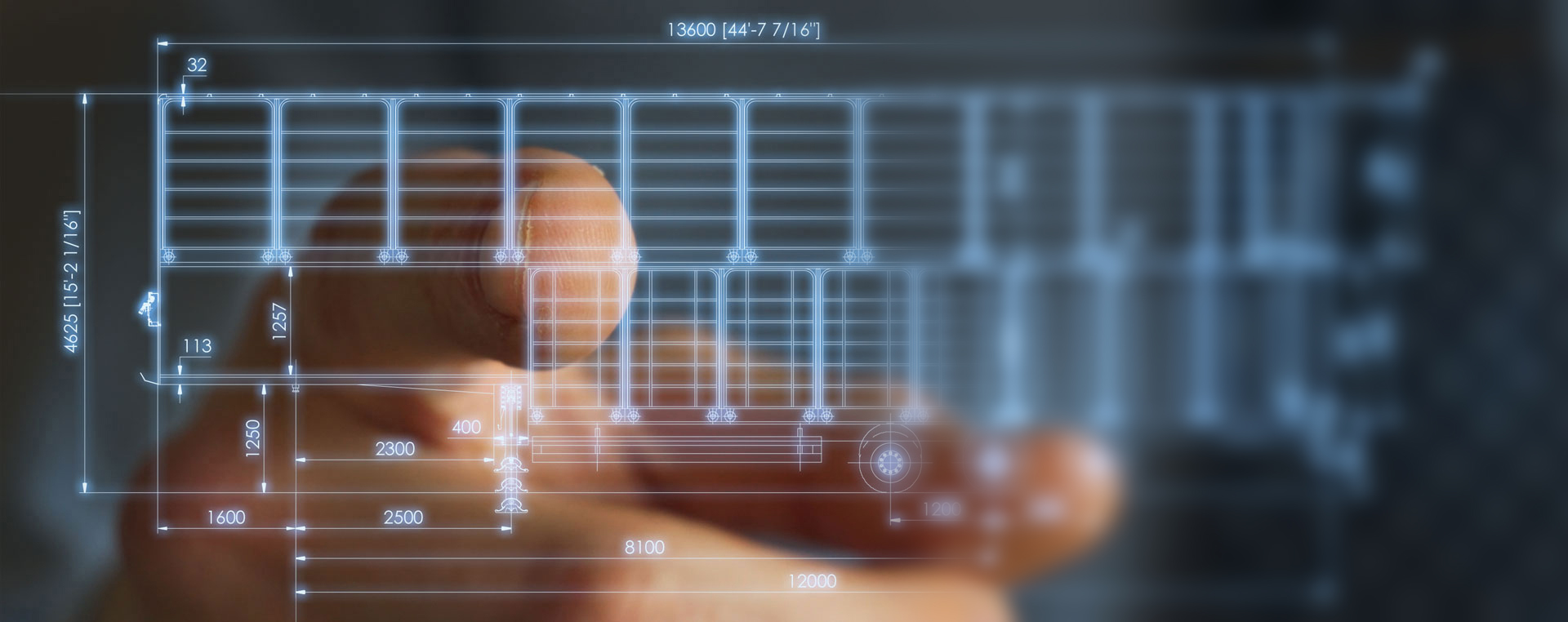
Solidworks 3D engineering software is used to produce accurate models prior to manufacture. This supports early validation of dimensions, capacity and weight, and helps ensure components align correctly during later manufacture and assembly.
Chassis Manufacture
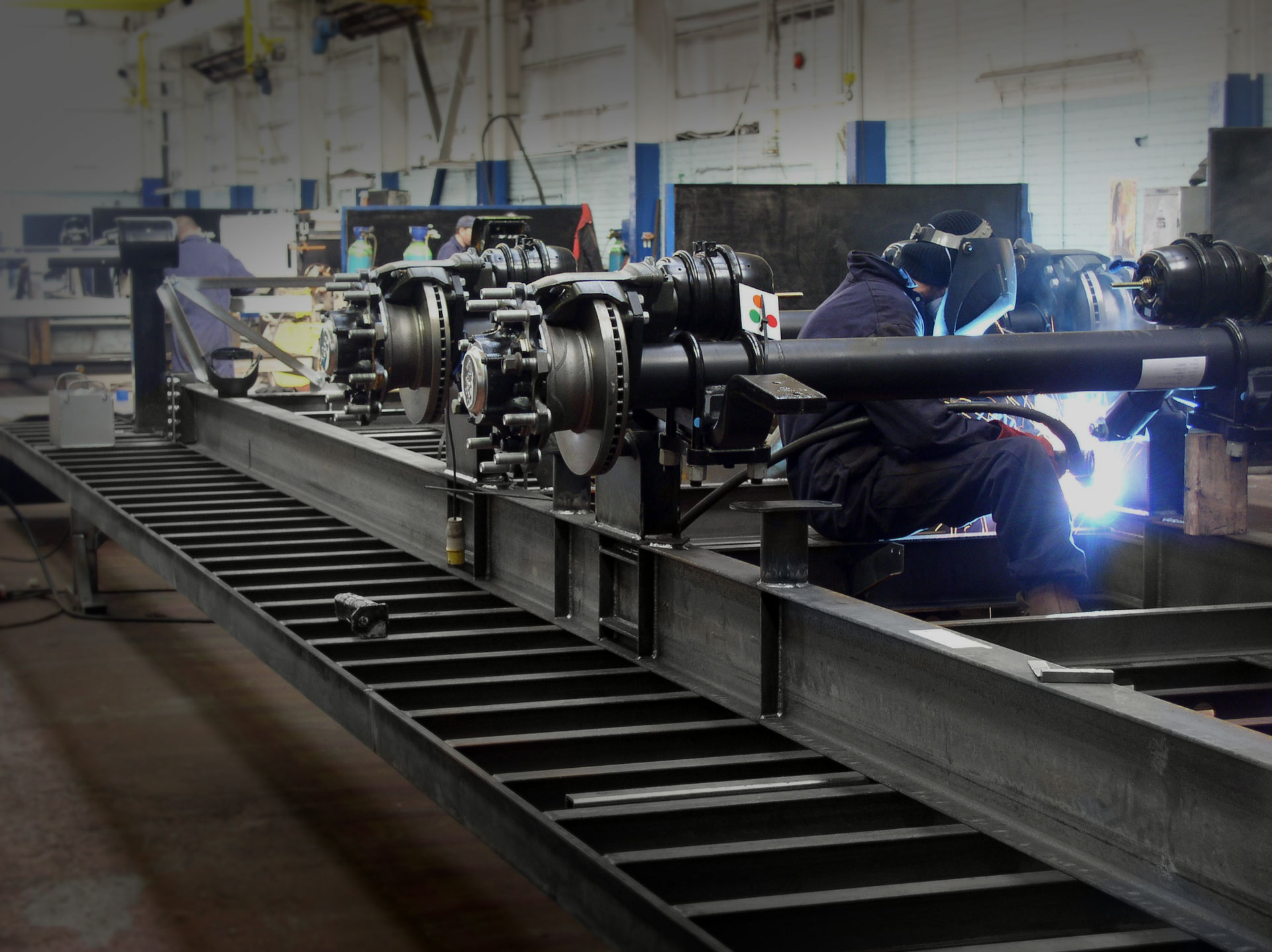
The chassis or subframe forms the primary structure of every vehicle body and experiences the highest operational stresses. It is designed and built to suit the intended application, including duty cycle, payload demands and operating environment.
Different operations prioritise different outcomes. Brewery distribution may favour low unladen weight with impact resistance, while garment carriers may require maximum internal cubic capacity and efficient use of space. Each chassis is engineered accordingly.
Body Manufacture
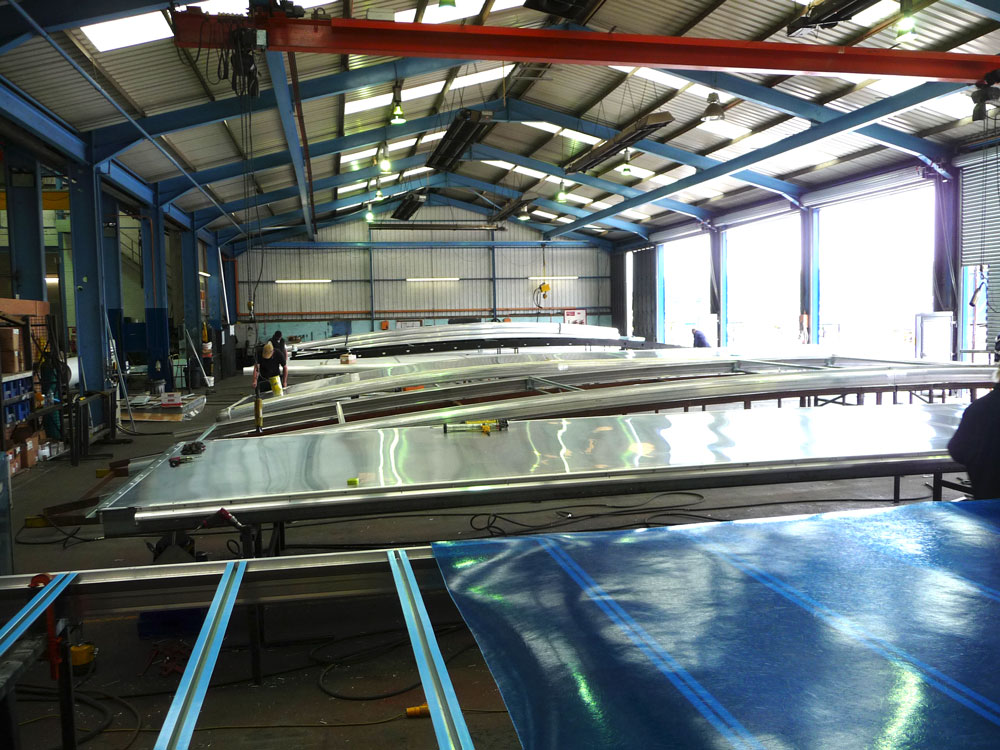
Body manufacture includes structural elements such as front bulkheads, rear frames and roof assemblies. More complex vehicles may also require lift pillars or uniframes to support hydraulic lifting decks.
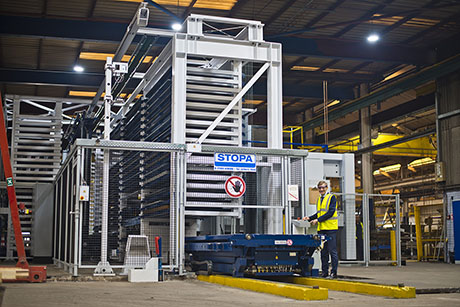
Components are produced by specialist teams in dedicated work areas under experienced supervision. This structure supports consistent processes and repeatable build quality across different vehicle configurations.
Parts undergo quality checks before moving to later stages. Early inspection helps identify issues before integration into the completed vehicle body.
Assembly
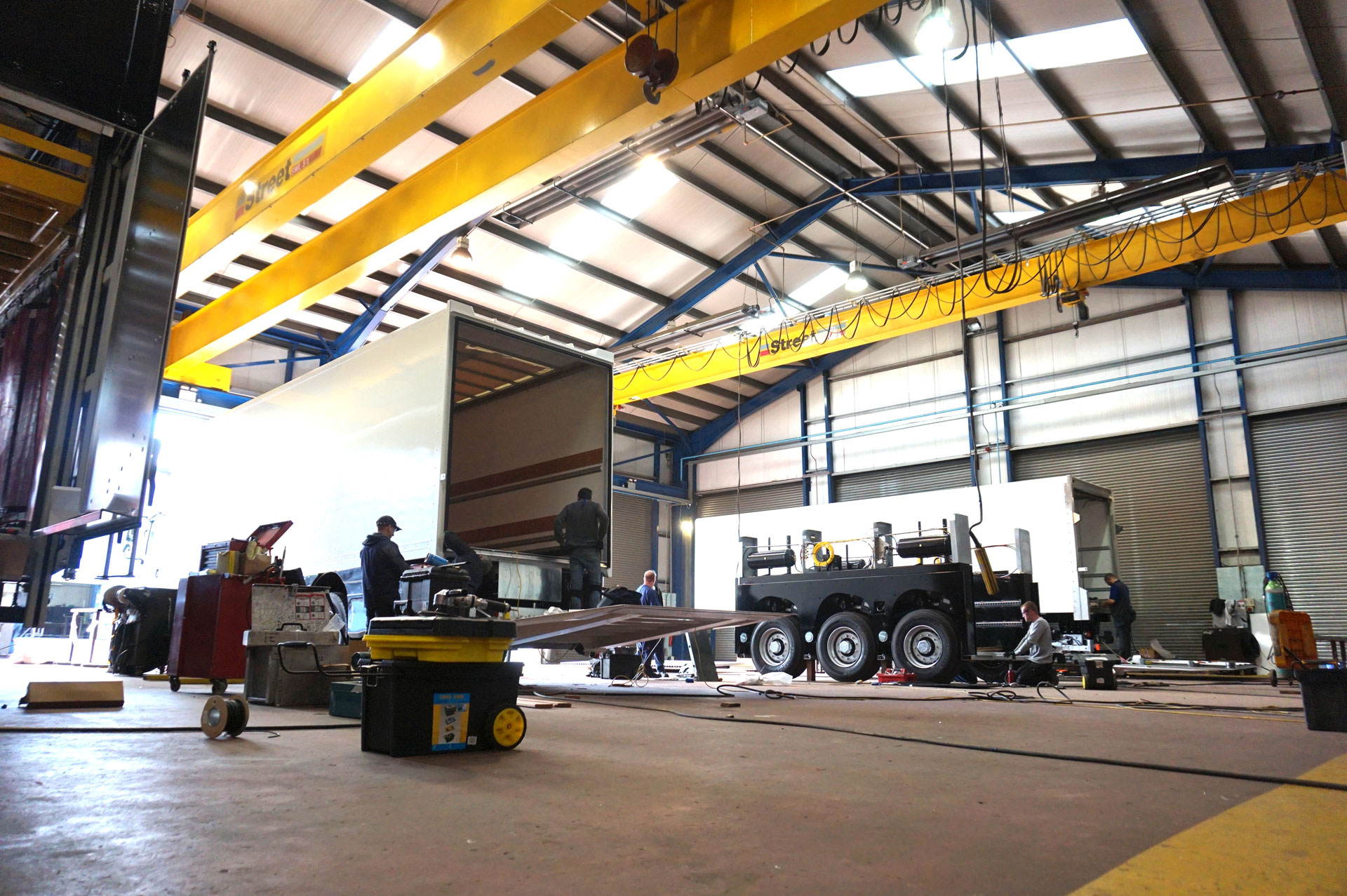
During assembly, manufactured components are brought together to form the completed vehicle body. Engineering data supports dimensional accuracy and repeatable fit.
Assembly processes are designed to be efficient while maintaining build control. Standard curtainsider trailers can typically be assembled within a day, depending on specification.
Finishing and Pre-Delivery Inspection
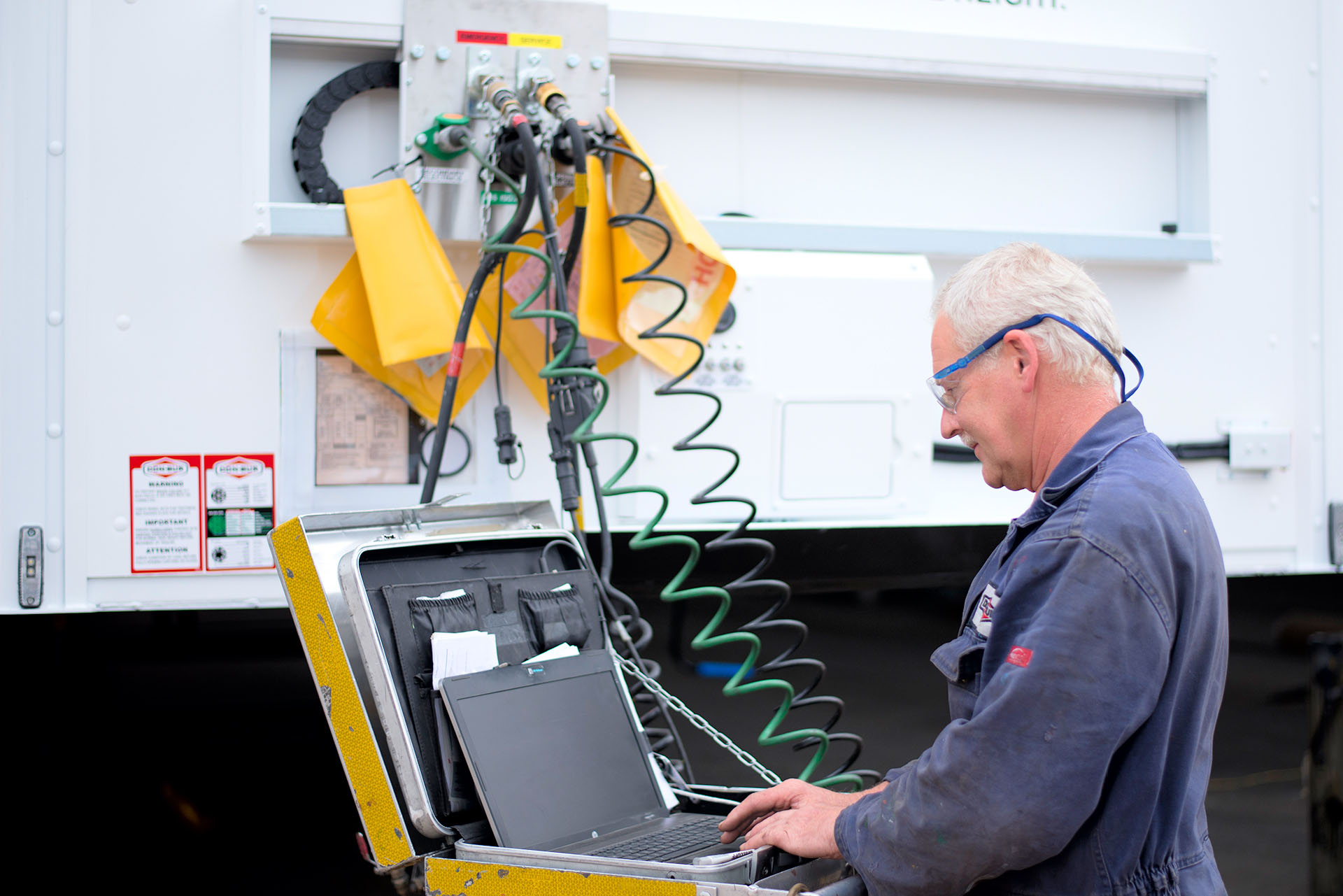
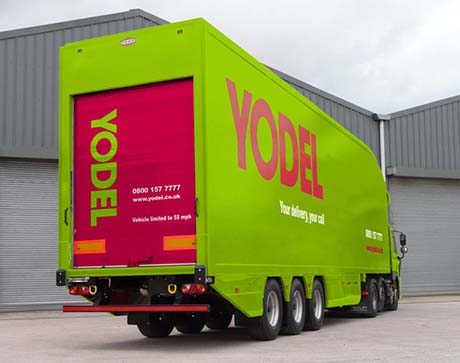
The finishing stage includes painting, application of livery and final inspection to confirm the vehicle meets specification and is ready for operational use.
The PDI (Pre-Delivery Inspection) team verifies checks completed during earlier stages and carries out a final assessment prior to release.