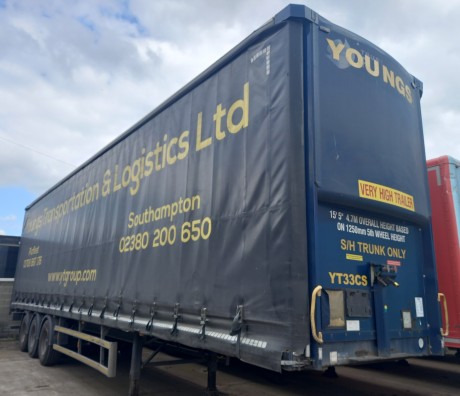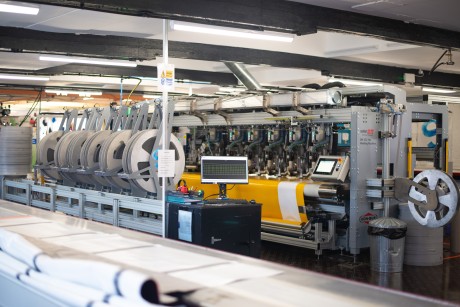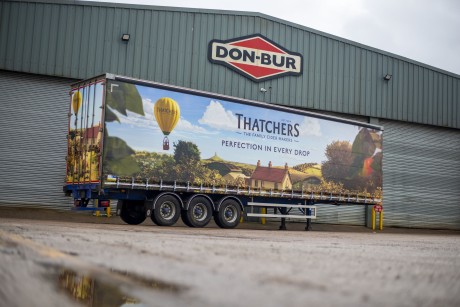
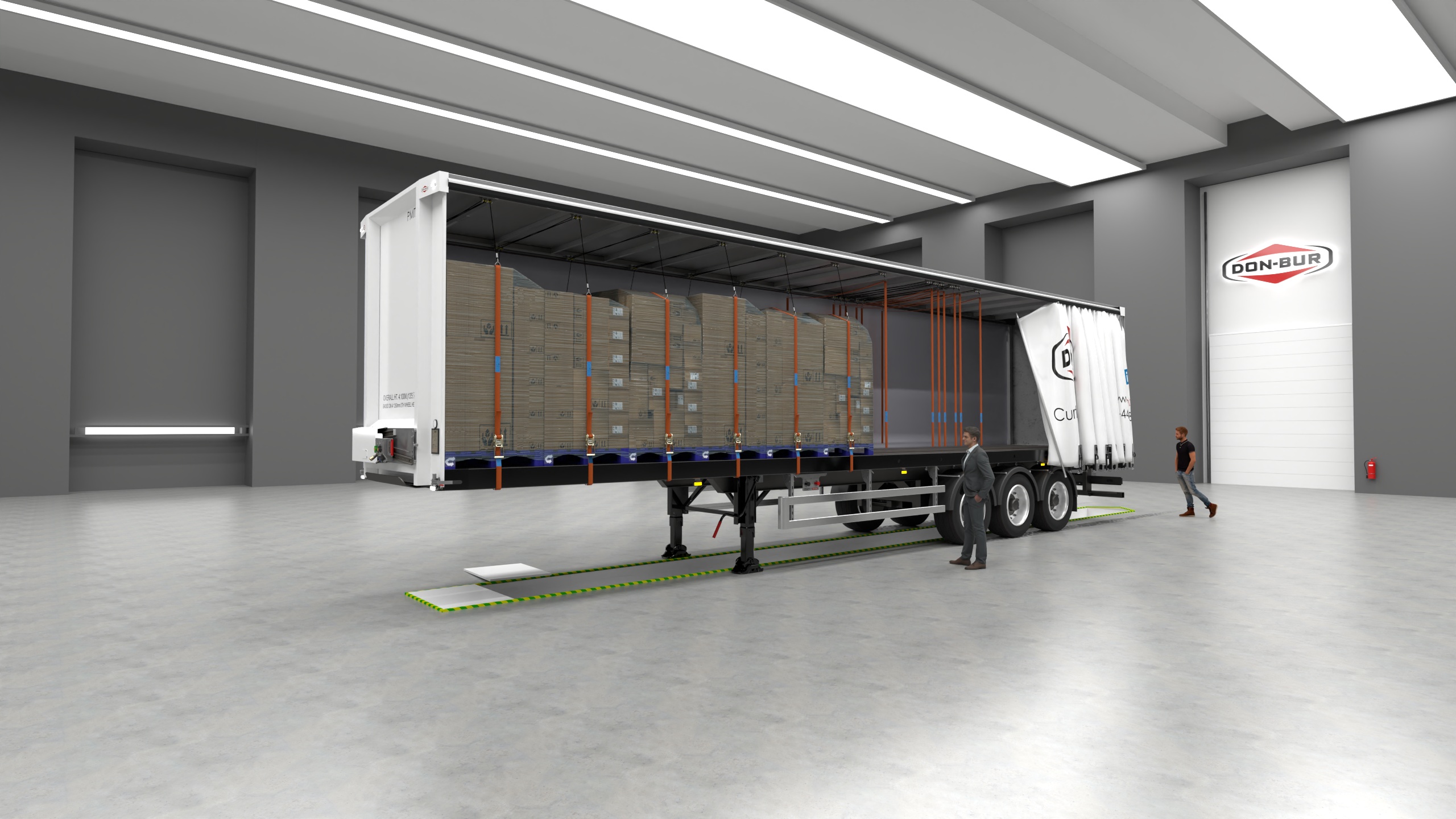
| Body Height / Aperture Height |
Typical overall heights range from:
• ~3.60 m (urban delivery)
• 4.00 m (European maximum)
• 4.20 m (common UK height)
• 4.50 m ("tall boy" high-volume builds)
• Up to ~4.95 m (maximum)
Side and rear aperture heights vary accordingly. |
As a rule of thumb, apertures on straight-frame chassis are calculated as:
aperture height ≈ overall height − 1550 mm.
For example, a 4.00 m trailer typically achieves a side aperture of approximately 2450 mm.
Slimline neck designs and slimline cant-rails can increase aperture height further by reducing structural depth without compromising strength. |
| Length |
Length is fully configurable and depends on route type and operational geometry.
Typical ranges include:
• 13.7 m (standard UK semi-trailer)
• Up to 15.650 m for LST-compliant designs
• Reduced lengths from ~8 m for urban, tight-access or multi-drop operations |
Length is determined by the operating environment, turning-circle requirements, tractor compatibility and desired internal volume. Shorter bodies improve manoeuvrability in congested or restricted sites, while LST configurations maximise payload and cube on trunking routes where regulations allow their use. |
| Wheelbase (Kingpin → Axle Centreline) |
• Up to ~8.100 m on standard 13.7 m trailers
• Shorter wheelbases for reduced-length or urban builds
• LST configurations typically incorporate a steer axle |
A wheelbase of up to ~8.135 m meets the UK “deemed to comply” turning-circle rule for conventional 13.7 m tri-axle semi-trailers. Shorter trailer bodies use reduced wheelbases to maintain manoeuvrability and axle-load balance. LST designs require more complex arrangements and generally rely on steer axles to achieve mandated turning-performance requirements. |
| Axle Type |
BPW, SAF or JOST; drum or disc brakes; optional lift/steer |
Based on fleet standardisation, maintenance planning and route-specific handling or weight-transfer needs. |
| Wheel Size |
Wheel and tyre combinations typically include:
• 17.5" twins (small diameter)
• 19.5" twins or mini-singles
• 22.5" super-singles (e.g. 385/65 R22.5) |
Tyre diameter has a direct impact on rear bearer height and therefore achievable internal cube. Smaller 17.5" twin wheelsets can result in bearer heights of ~880 mm, maximising internal height. Typical 385/65 R22.5 super-singles produce bearer heights around ~1250 mm, balancing cube, stability and durability. Selection depends on load type, desired internal height, running-cost considerations and fleet standardisation. |
| Braking System |
Haldex, Knorr-Bremse or Wabco (ZF); optional EBPMS |
Configured to operator preference, compliance requirements and integration with fleet telematics or maintenance reporting. |
| Coupling Box Type |
Fixed coupling box, sliding coupling, double sliding rail, LowGlide safe ground coupling |
Driven by tractor variations, coupling frequency and required safety standards. |
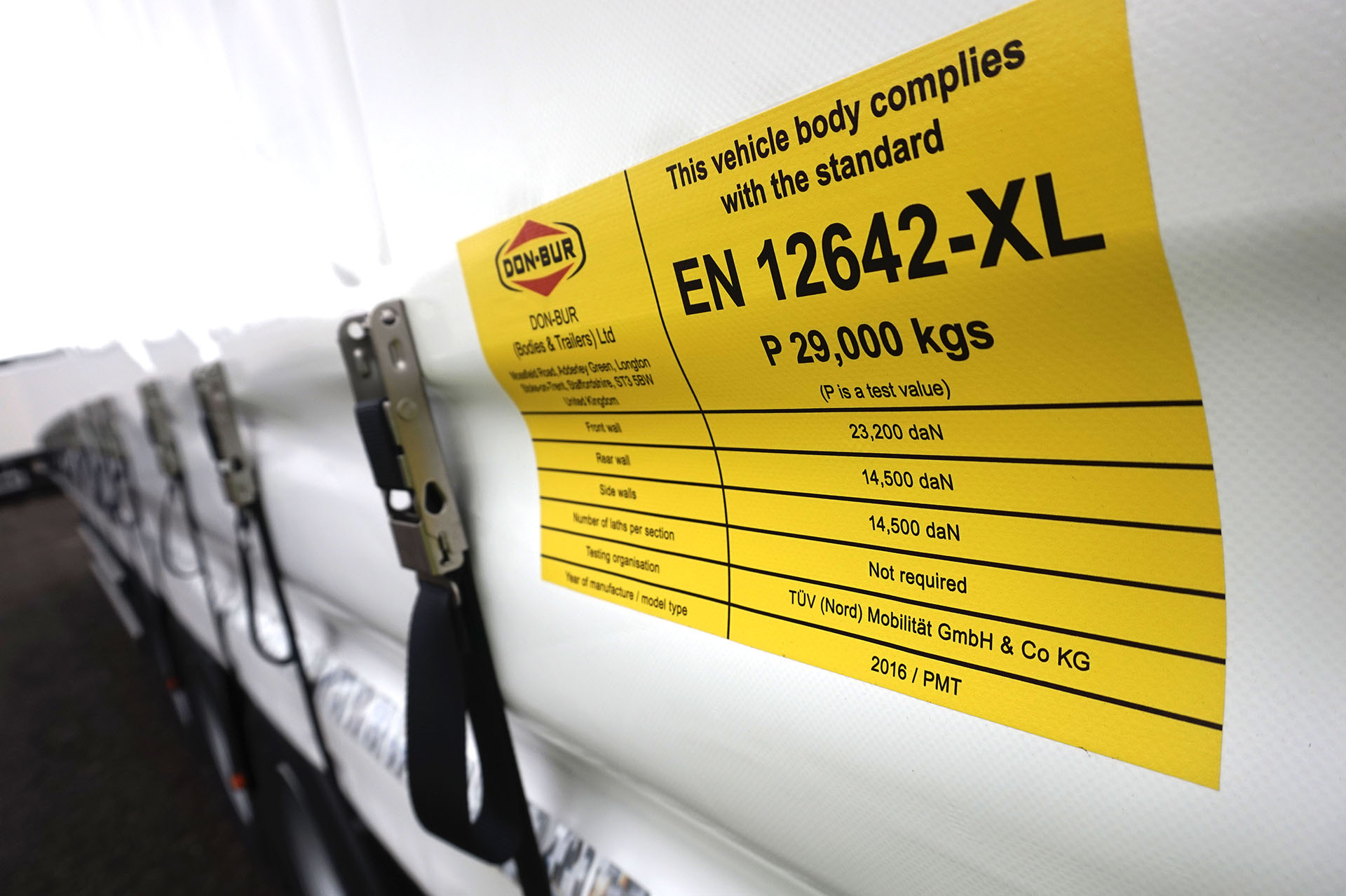
| EN 12642-XL Required |
XL-certified bodywork as standard |
Provides recognised whole-body load containment and aligns with DVSA expectations for positive-fit loading. |
| Rear Closure Type |
Container-style doors (single or double locking bars), wide-lath roller shutters, fixed panel |
Selected based on access method, required security level, load type and depot handling equipment. |
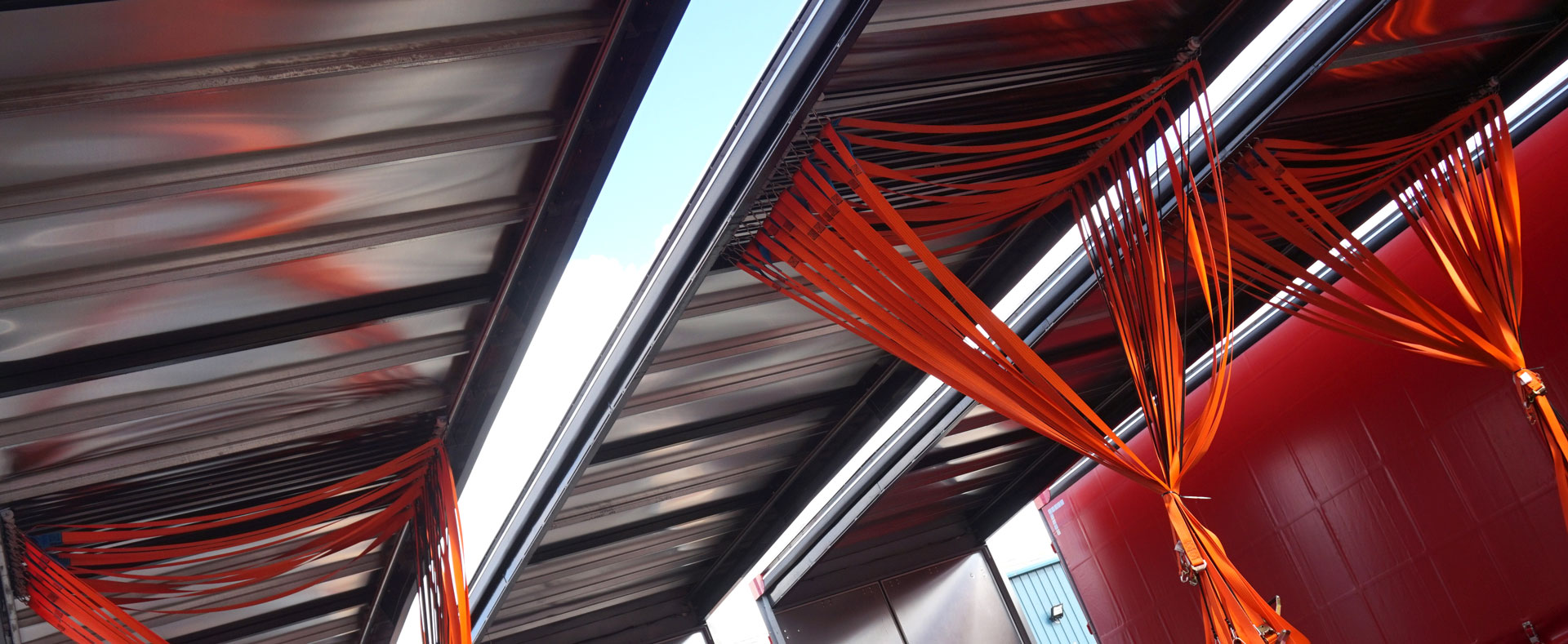
| Internal Load Restraint |
Rave straps, roof-mounted straps, nets, side nets, EN 12640 lashing points |
Chosen according to freight stability, load positioning, multi-drop patterns and regulatory expectations. |
| Floor Strength |
Hardwood, phenolic ply, reinforced steel sections; variable cross-bearer pitch |
Matched to maximum forklift axle point loads (with FOS) and expected abrasion or impact exposure. |
| Lighting Options |
LED markers, combined indicator/marker lamps, rear cluster bulb/LED units, stalk markers, high-visibility brake strips, work lamps |
Configured to visibility standards, night-time operations, health & safety requirements and operator preference. |
| Aerodynamic Enhancements |
Teardrop profiles, side skirts, diffusers, boat-tail |
Specified for trunking routes or fuel-saving programmes; site clearance and operating speeds are key factors. |
| Safety Options |
Leg-Safe, LowGlide, EBS-Safe, VRU detection systems, PIR sensors |
Added to mitigate operational risks, improve loading safety and support internal fleet safety policies. |