EN 12642-XL Load Containment Standard Explained

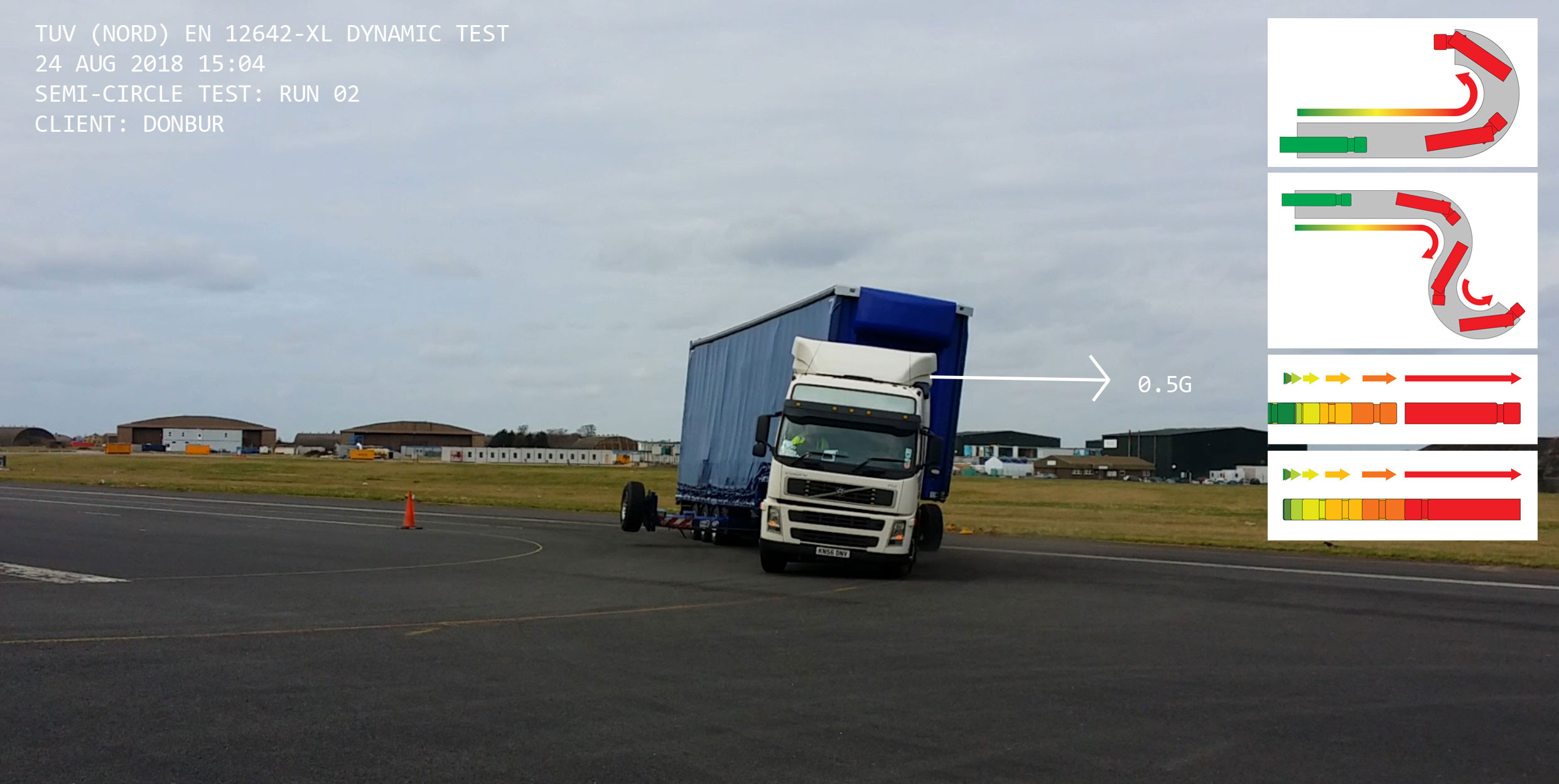
EN 12642-XL Dynamic Tuv Test 001

What is EN 12642-XL:2016?

EN 12642:2016 (types L and XL) is a European standard that defines the structural strength requirements for complete commercial vehicle bodies. It assesses the combined performance of the front wall, side structures, rear frame, floor and roof under dynamic loading conditions.

The standard applies to vehicle bodies and trailers with a maximum authorised mass above 3,500 kg. It sets minimum performance criteria for standard bodies (type L) and reinforced bodies (type XL). Compliance may be demonstrated through full-scale physical testing or validated structural calculations, depending on the body design.

Why EN 12642-XL Matters

XL-rated bodies support effective load containment when goods are loaded using recognised positive-fit methods. This aligns with DVSA guidance on safe loading and enforcement expectations.

"It's the driver's responsibility to make sure the load is secure. Vehicle operators must make sure that the vehicle is safe to drive and staff are safe when loading and unloading."

Driver and Vehicle Standards AgencySecuring loads on HGVs and goods vehicles

An XL-rated structure does not remove the need for good loading practice. It provides verified structural resistance to defined dynamic forces when loads are positioned correctly within the load space.

Manufacturing to EN 12642-XL

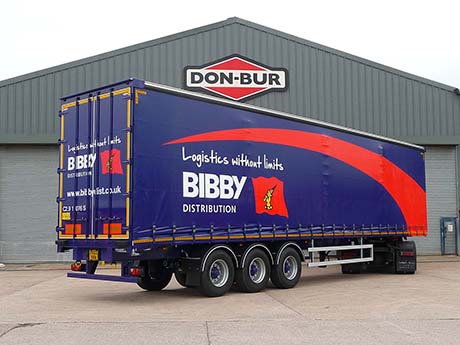
Don-Bur manufactures vehicle bodies and trailers designed to meet EN 12642-XL requirements, including curtainsiders, rigid bodywork and double-deck trailers. Compliance is assessed at complete body level, confirming that the structure meets the performance criteria for reinforced bodies.

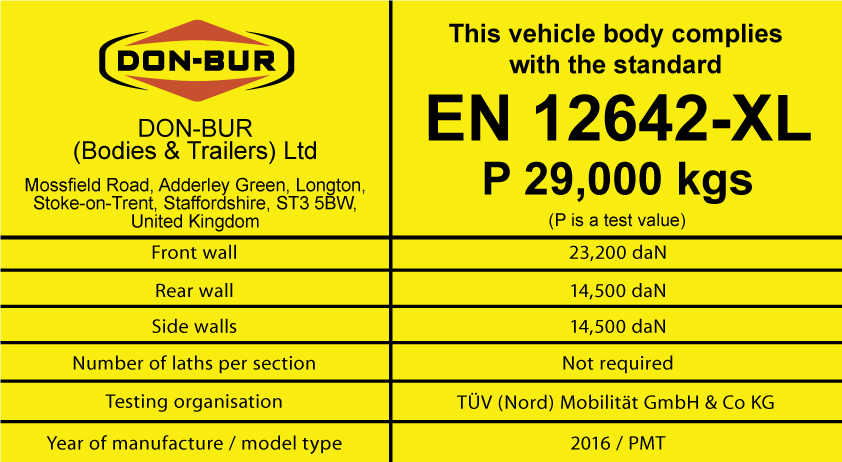
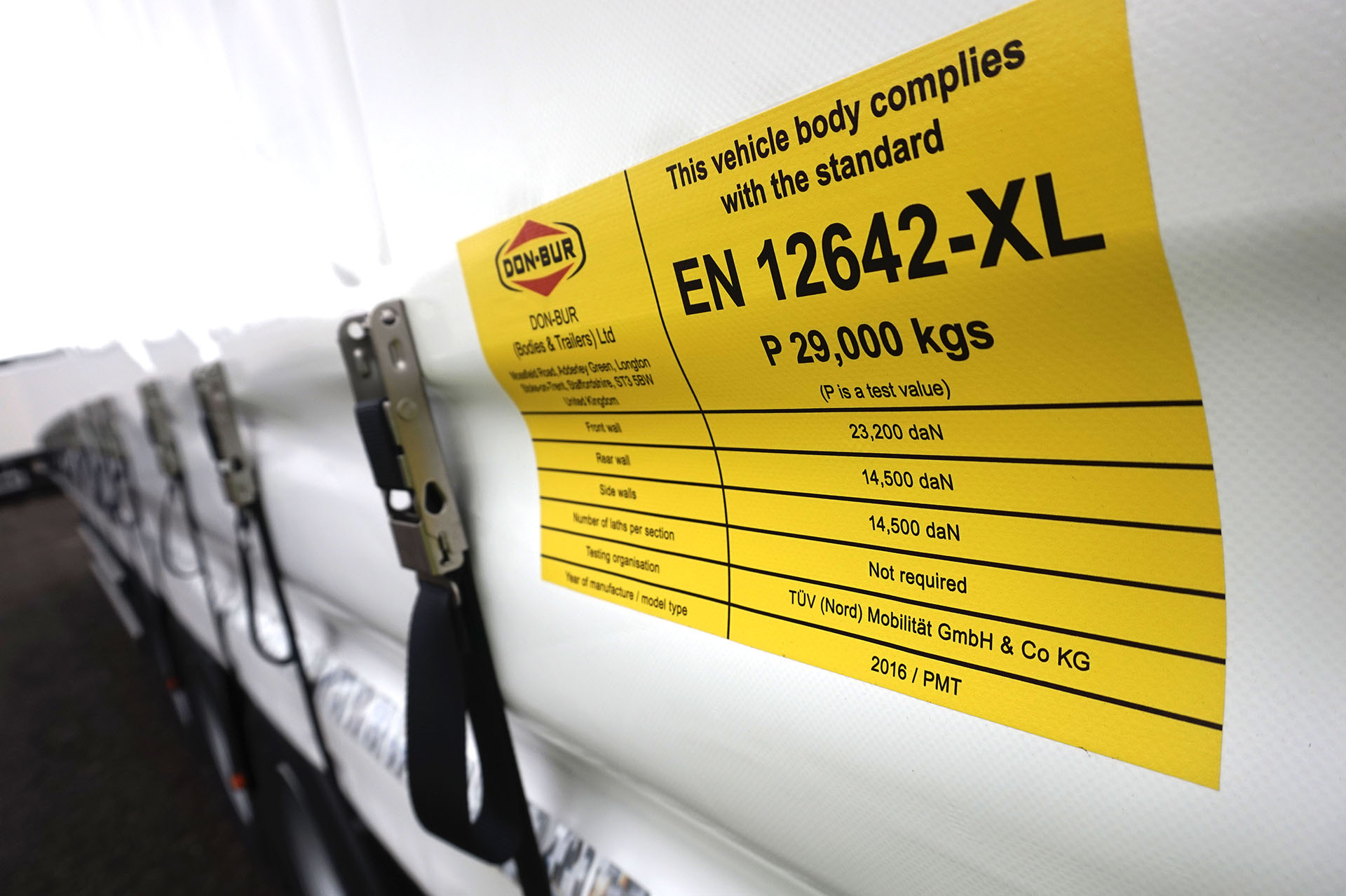
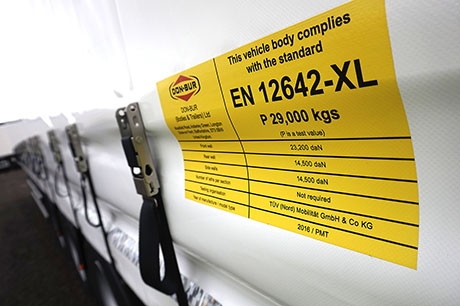
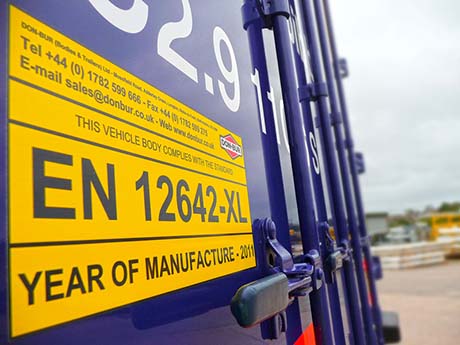
All EN 12642-XL certified bodies must carry a manufacturer's identification marking confirming the rating. This typically includes the standard reference, tested performance values for each wall, the accredited test organisation and the year or model designation. Operators should ensure this marking is present and legible as evidence of certification.

en12642-xl-label
en12642-xl-label
DVSA Minimum Load Restraint G Forces

'Deemed to Comply'

"The load securing system you use must be able to withstand forces equivalent to: the entire weight of the load in the forward direction; half the weight of the load to the sides and half the weight of the load to the rear."

Driver and Vehicle Standards AgencyLoad securing: the basics

EN 12642-XL bodies are deemed to comply with these force requirements when the load is positioned to achieve positive fit. In these conditions, the body structure can provide forward and lateral restraint without additional securing, provided the load is placed within defined gap tolerances.

What Is Positive Fit?

Positive fit involves positioning goods so that movement is prevented by direct contact with the surrounding vehicle structure. This method is effective only where the structure provides sufficient containment strength, as verified under EN 12642-XL.

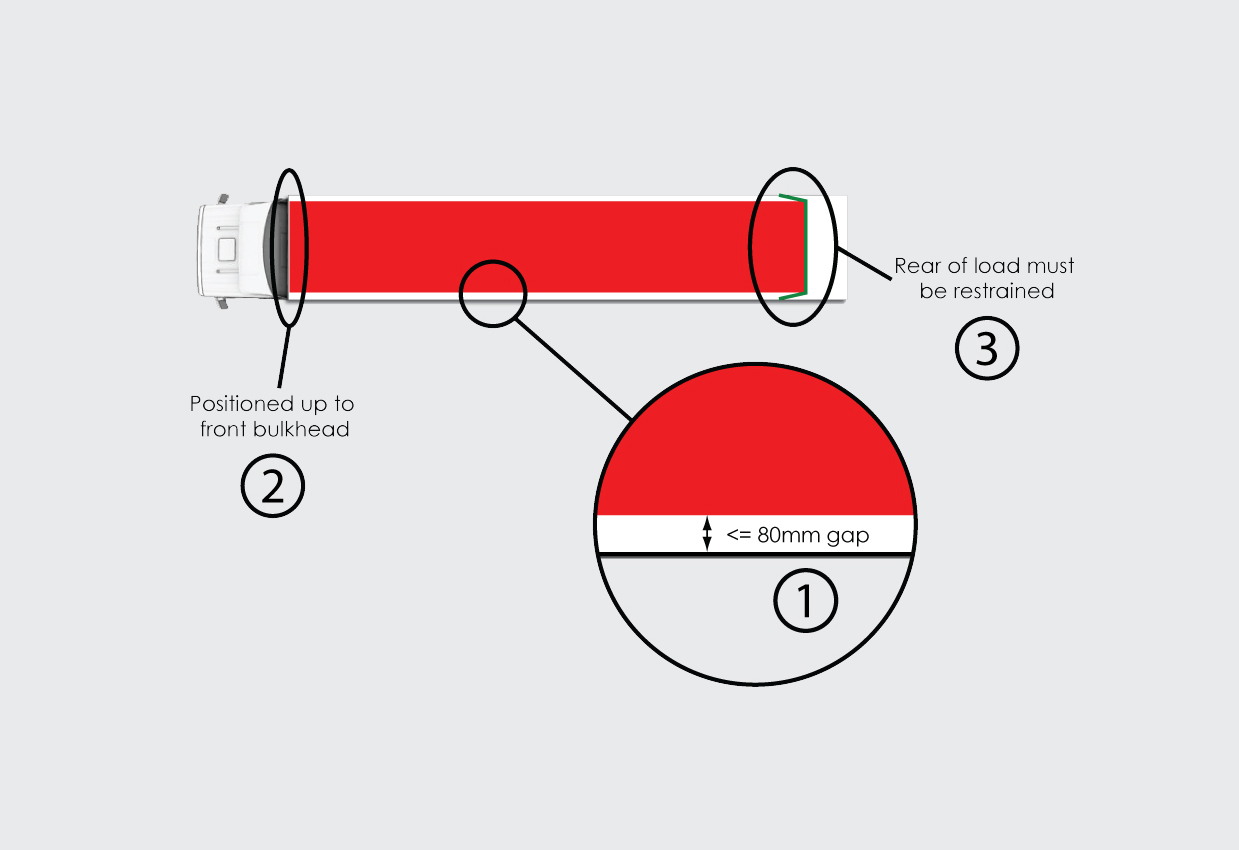
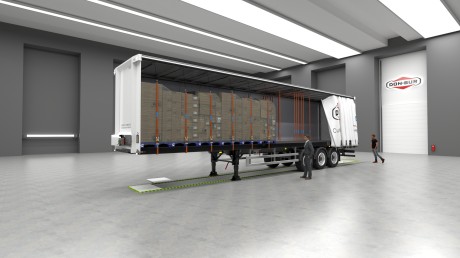
"... for proactive enforcement purposes, XL vehicles are accepted as restraining 50% of the rated payload to the side without any extra securing if the load fills the entire load area: within 30cm of the front, within 30cm of the rear, within 8cm of either side and without cumulative gaps or a single gap of more than 30cm along the vehicle load bed. This is often referred to as 'positive fit'."

Driver and Vehicle Standards AgencyXL curtainsiders

EN 12642-XL Positive Fit Example
EN 12642-XL Label
EN 12642-XL Label

EN 12642-XL Guide

Don-Bur has published a concise guide outlining the core requirements of BS EN 12642-XL.

pdf icon EN 12642-XL Guide

Further information can be found in the related links section.

Dynamic Testing

Dynamic testing simulates forces generated by braking, swerving and changes in direction. It verifies that an EN 12642-XL body can contain loads without additional restraints when goods are positioned correctly.

Frequently Asked Questions

Do EN 12642-XL curtains exist?

No. EN 12642-XL applies to the complete vehicle body, not individual components. High-strength curtains manufactured to EN 12641-2 may form part of an XL-compliant system when integrated into the wider structure.

What level of damage is acceptable on an EN 12642-XL curtain?

For EN 12642-XL rated curtains to remain compliant, they must be in good condition. Load-bearing performance may be compromised when:

  • There is a tear or cut in the PVC curtain material measuring 75mm or more. These can usually be repaired using an internal patch made from the same grade of PVC.
  • There is a tear or cut of 10mm or more in the horizontal or vertical webbing straps. In this case, the curtain must be removed and the damaged strap replaced and re-bonded professionally.

To maintain EN 12642-XL compliance, it is important that any visible damage is assessed and repaired by a qualified technician using approved materials and methods.

Does EN 12642-XL apply to curtainsiders only?

No. EN 12642-XL covers complete vehicle bodies including curtainsiders, box vans, rigid bodywork and double decks.

Is EN 12642-XL a legal requirement?

No. It is a voluntary European standard, though many operators specify it to align with recognised best practice in load containment.

Does EN 12642-XL remove the need for additional restraint?

Not always. Additional securing measures may still be required depending on load type, packaging and friction to meet DVSA expectations for safe loading.

Need to get in touch?

Whether you're looking for advice, requesting a quote or needing technical support — we're here to help.

Don-Bur (Bodies & Trailers) Ltd

phone icon
Call us
+44(0)1782 599 666