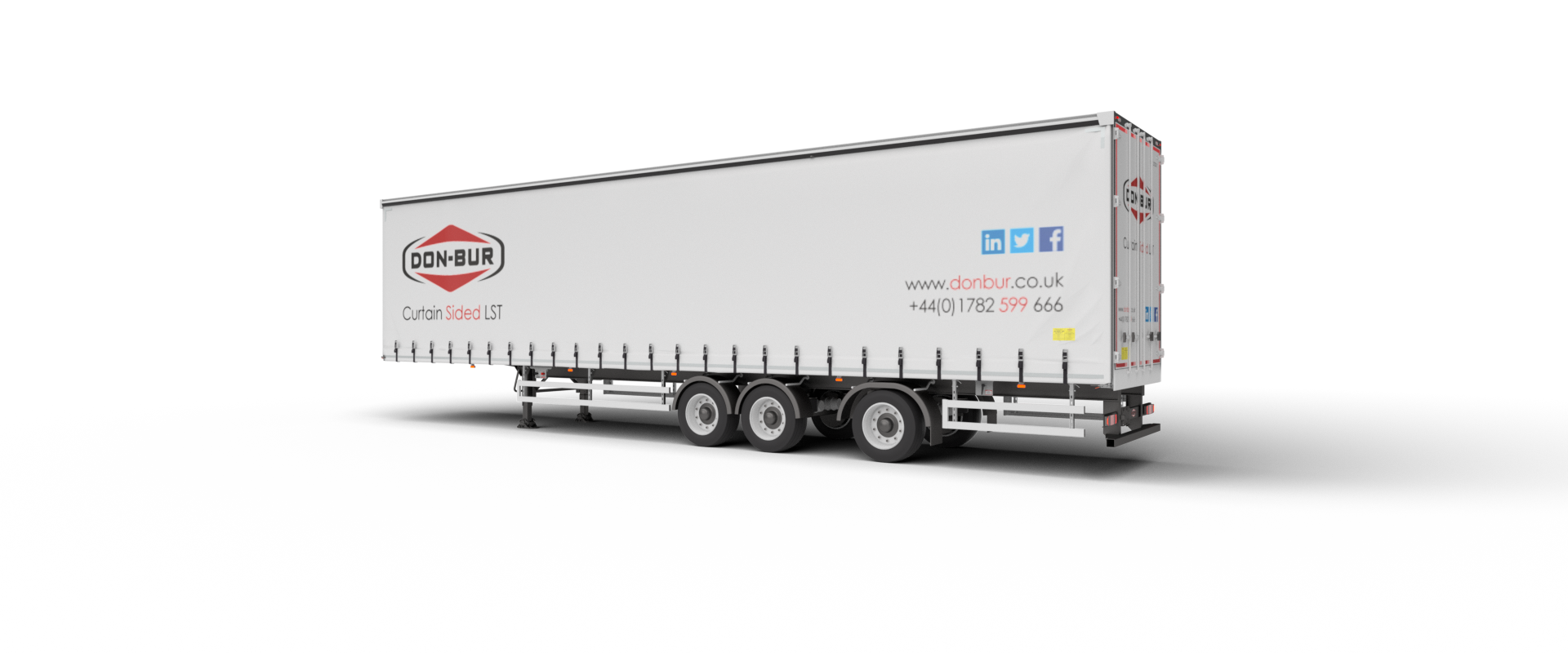
Yes. On 31 June 2023, an amendment to The Road Vehicles (Authorisation of Special Types) (General) Order 2023 came into force, allowing Longer Semi Trailers to be operated on UK roads.
There are some legal caveats including route planning, notification and risk assessments together guidance measures including driver training and scheduling, record keeping, broader staff training (including transport managers and other staff) and loading of LSTs.
What do you do if I'm already on the LST trial?
The new statutory regime came into force on 31st May 2023 which means that all new LSTs that enter into service from that date will fall under the new regulations.
Operators on the current trial are obligated to continue the trial but they have the option to migrate onto the new regime during a transitionary period which expires on 30th November 2023 (edit: 29th February 2024). After this date, all LST VSOs will be revoked.
We’d love to hear from you – get in touch today!