A bogie, also known as a wheelset, is a modular subassembly of wheels and axles used to support and guide a vehicle along a track or surface. It is a crucial component of various transportation systems, including railways, road vehicles, and aircraft.
Key Characteristics of Bogies
-
Versatility: Bogies can be designed to accommodate different vehicle types, track gauges, and load capacities.
-
Stability: Bogies provide stability and smooth movement by distributing weight evenly over multiple wheels and axles.
-
Maneuverability: Bogies allow for articulation and turning, enabling vehicles to navigate curves and corners effectively.
Types of Bogies
Bogies vary in their design and configuration based on the specific application and vehicle type. Some common types include:
-
Rigid bogies: These have fixed axles and are typically used for simpler vehicles or straight tracks.
-
Articulated bogies: These have independent axles that can pivot, providing better maneuverability and stability on curved tracks.
-
Powered bogies: These incorporate motors or engines to drive the wheels, providing traction and propulsion.
Applications of Bogies
Bogies are widely used in various transportation systems, including:
-
Railways: Bogies are essential components of railway vehicles, providing stability and smooth movement on tracks.
-
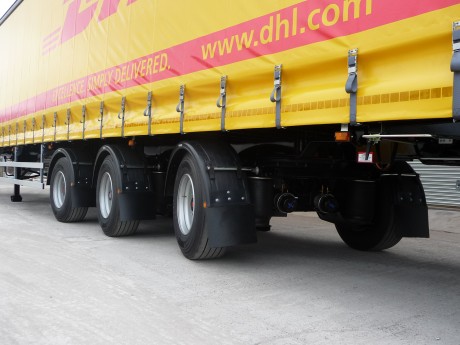
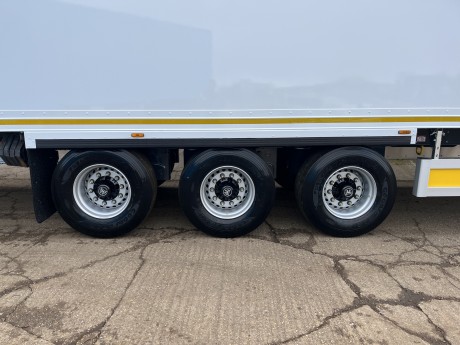
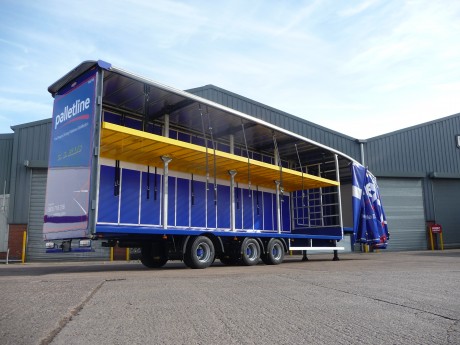
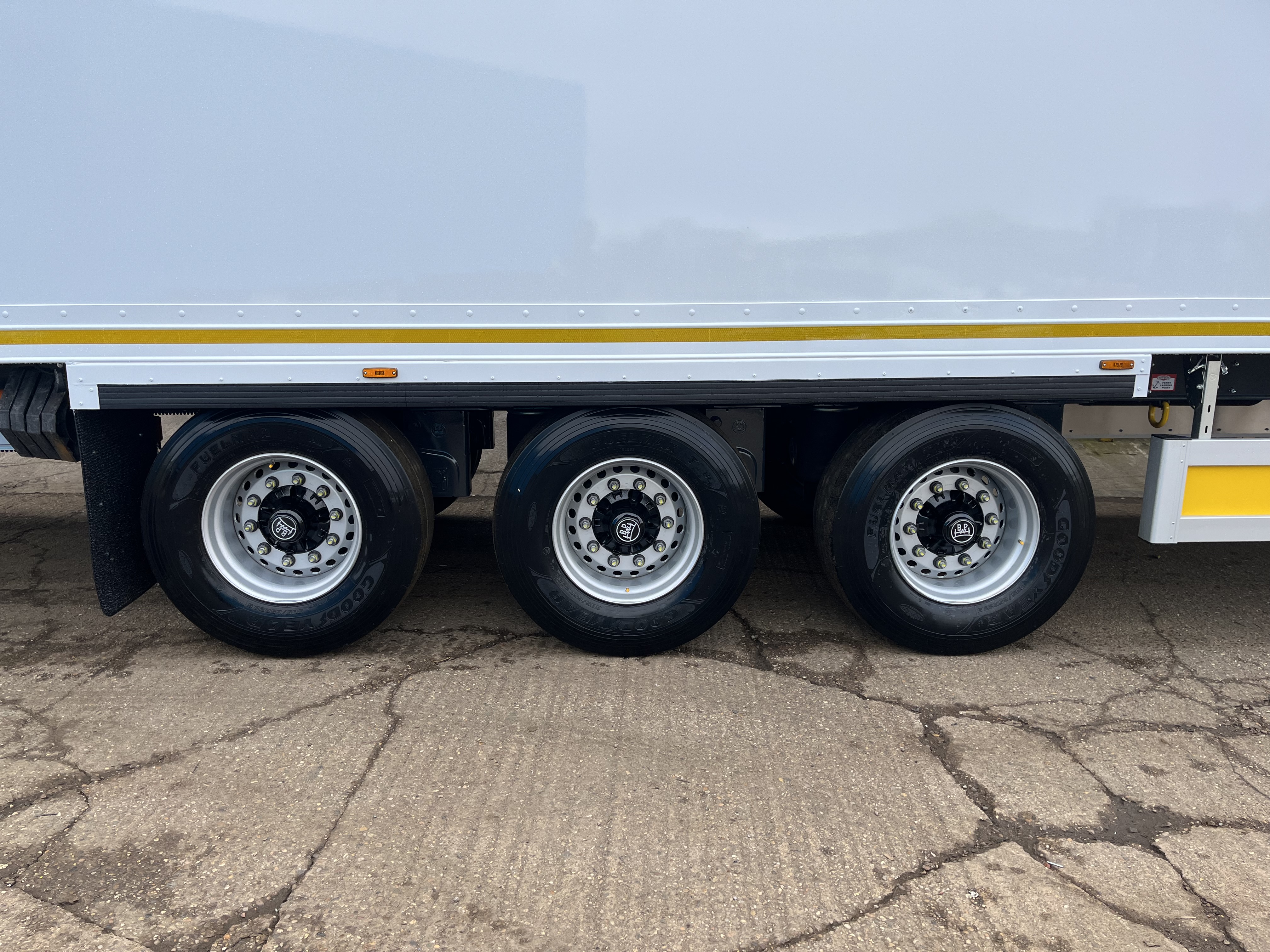
Road Vehicles: Bogies are used in specialized road vehicles, such as trailers, semi-trailers, and heavy-duty trucks.
-
Aircraft: Bogies are incorporated into aircraft landing gear, allowing for smooth movement and maneuvering on runways.
Benefits of Using Bogies
Bogies offer several advantages for various transportation applications:
-
Improved Performance: Bogies enhance vehicle performance by providing stability, maneuverability, and smoother movement.
-
Reduced Maintenance: Proper bogie maintenance can extend the lifespan of vehicles and reduce overall maintenance costs.
-
Increased Safety: Bogies contribute to safety by reducing the risk of derailments or accidents due to unstable or poorly maintained wheels and axles.
In summary, bogies play a critical role in various transportation systems, enabling vehicles to move safely, efficiently, and effectively. Their versatility, stability, and maneuverability make them an indispensable component of modern transportation infrastructure.
We’d love to hear from you – get in touch today!