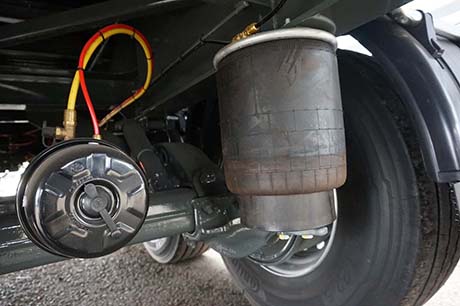
Faqs What is a trailer suspension air bag | What are they for? Air bag suspension is the standard choice for UK trailers. Learn about its advantages: smoother ride, adjustable loading height and potential for increased GVW.
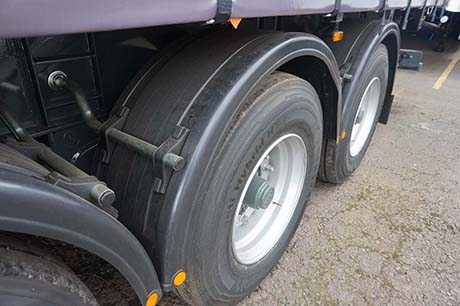
Faqs What are thermoplastic mudguards? Thermoplastic mudguards are durable, lightweight and regulation-compliant options for HGV trailers. Learn about their benefits and available configurations.
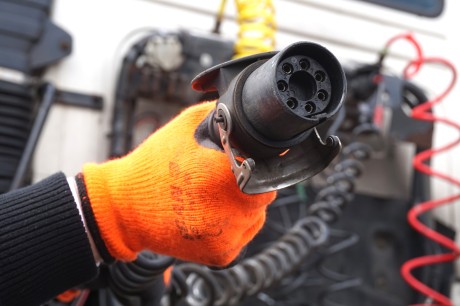
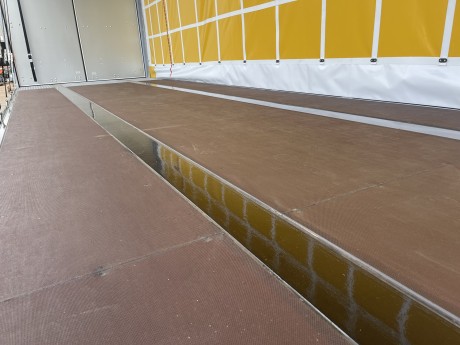
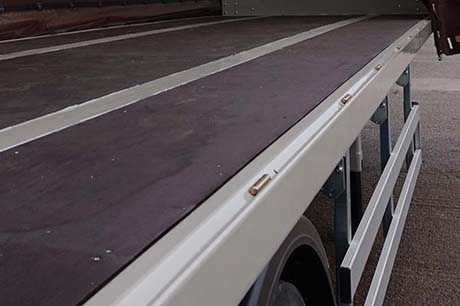
Faqs Confused by Floor Point Load Ratings? We Have the Answers! Learn about floor point load ratings for commercial vehicles. Understand practical considerations, material strength, load distribution, and safety factors.
Faqs EU Vehicle Classification for Goods Vehicles and Trailers Clear guidance on EU vehicle classification for goods vehicles and trailers, including N1–N3 and O3–O4 categories defined under UN ECE and EU legislation.
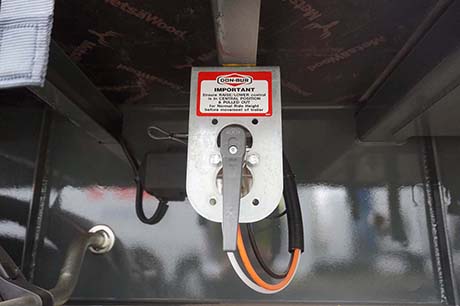
Faqs What is a Suspension Raise/Lower Valve and How Does it Work? A suspension raise/lower valve allows manual height adjustment on HGV trailers equipped with air suspension. Learn how it works and when it’s used.
Faqs What is "Flap and Valance"? Flap and valance is a type of spray suppression system used typically in lieu of mudlflaps.
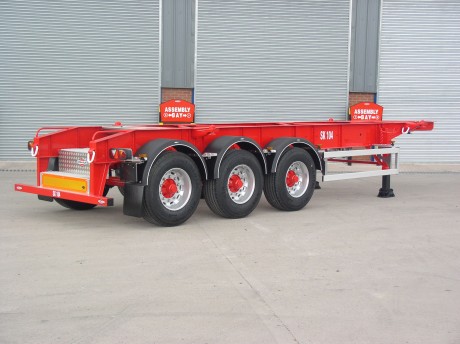
Faqs What is a 'skele' or skeletal trailer? A skeletal trailer is a lightweight chassis with twistlocks used to carry ISO containers. Learn how these purpose-built trailers support intermodal transport.
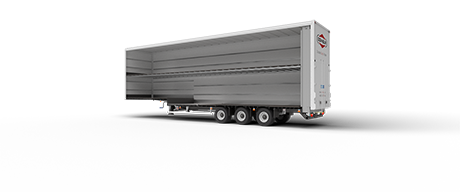
Faqs How many pallets can you fit on a trailer? A standard 13.7m curtainsider fits 26 UK or 33 Euro pallets. Double deck trailers can carry up to 52 UK / 66 Euro, step-frames typically 44 UK / 56 Euro, and LST double decks up to 60 UK / 76 Euro pallets.
Faqs HGV Trailer Couplings: Types, Safety & Coupling Procedures Your complete guide to HGV trailer couplings – types, UK & European systems, and step-by-step coupling procedures to improve safety and compliance.
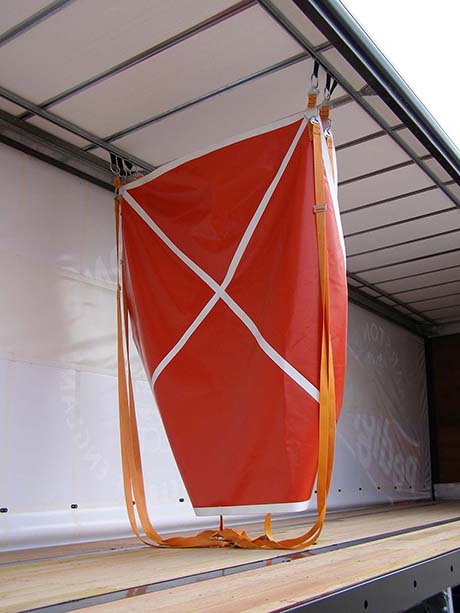
Faqs What are "Nappy" and "Kite" Load Restraint Systems? A guide to "nappy" and "kite" load restraint systems — reinforced mesh sheets designed to prevent front-to-back load movement in trailers.
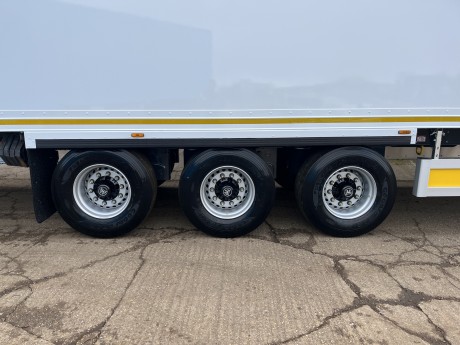
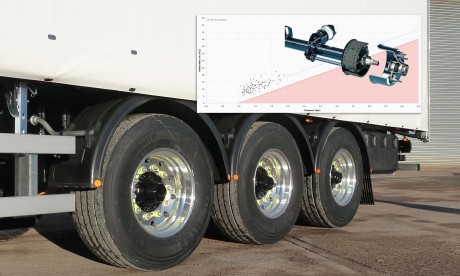
Faqs What exactly is an HGV Bogie? What is an HGV bogie? Learn how multi-axle bogie setups improve load distribution, vehicle stability, and legal compliance for trailers and rigids.
Faqs What is a pelmet and why is it needed? A pelmet is a rubberised flap that forms a weather seal between the roof rail and curtain on curtainsider bodies.
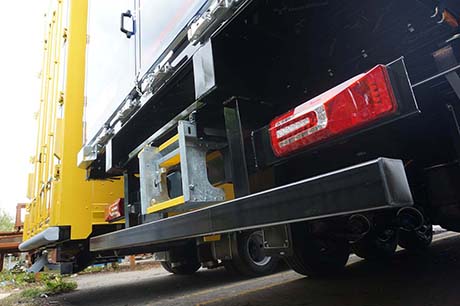
Faqs What is an HGV underrun and why does it matter? Clear explanation of HGV rear underrun protection, its safety purpose, and how UNECE Regulation R58-03 governs design, testing and compliance in the UK.
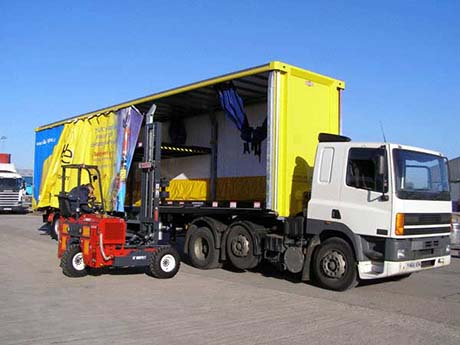
Faqs What is a "Moffett"? The term "Moffett" is a widely used type of truck-mounted forklift, also known as a vehicle-mounted forklift (VMF) or lorry loader.
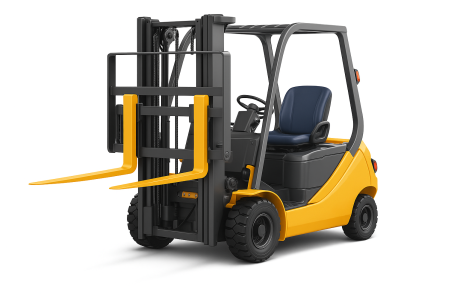
Faqs What is "MHE": Materials Handling Equipment? MHE stands for materials handling equipment. It is a broad term for a wide range of equipment used to move, store, and control materials and products.
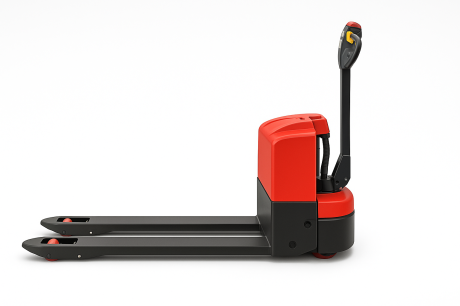
Faqs What is a "PPT" or a "LLOP" for materials handling? What is a PPT: Powered Pallet Truck?A powered pallet truck (PPT), also known as an electric pallet truck or walkie stacker, is a material handling equipment
Faqs What is "traction" in the HGV logistics industry? In the HGV industry, the term "traction" informally refers to a tractor unit pulling an articulated trailer. It's a common expression in transport & logistics.
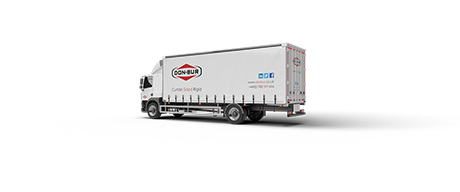
Faqs What is a "Rigid" body? A rigid HGV (Heavy Goods Vehicle) is a large, non-articulated truck where the cargo-carrying body is permanently attached to the chassis.
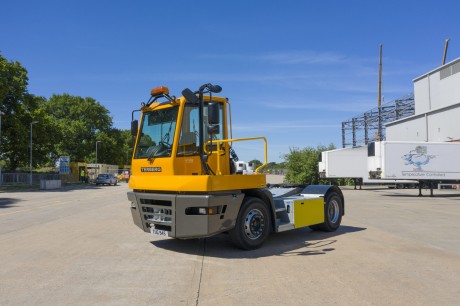
Faqs What is a "shunter" or "tug"? A tug, or shunter, is a powerful vehicle that is used to move railroad cars and other large vehicles around a railyard or industrial facility.
Faqs How do I calculate trailer axle load weights? Learn how trailer axle loads are calculated using static equilibrium, support reactions and geometry — plus access Don-Bur’s free online load calculator.
Faqs What is an HGV trailer step-frame, swan-neck or goose-neck? A step-frame trailer has a lowered main deck to increase internal height. The raised front section is known as the swan-neck or goose-neck due to its shape.
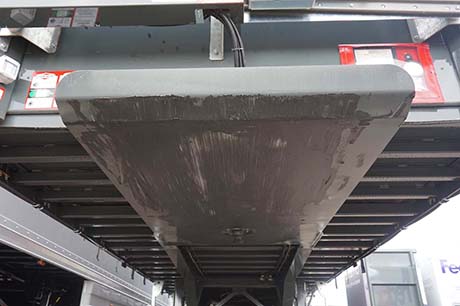
Faqs What is the trailer "bed plate" or "rubbing plate"? The trailer bed plate or rubbing plate is a steel surface that rests on the tractor’s fifth wheel, allowing movement and supporting vertical load.
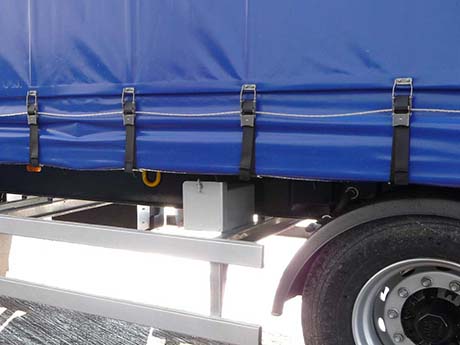
Faqs What is an HGV trailer Side Rave? The side rave is a key chassis member on trailers, anchoring curtain buckles and load restraints on curtainsiders, and body panels on box vans.
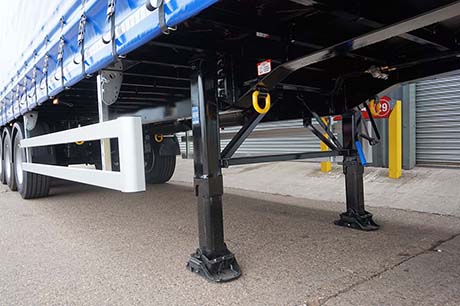
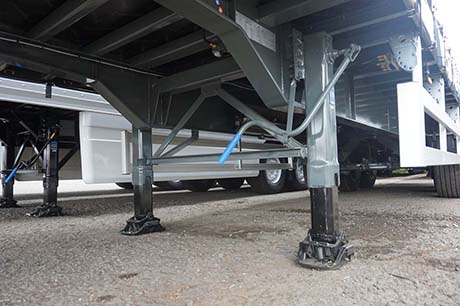
Faqs What are trailer "Landing Legs"? Trailer landing legs stabilise the front of a trailer when uncoupled from a tractor. Learn how they work and the difference between manual and powered options.
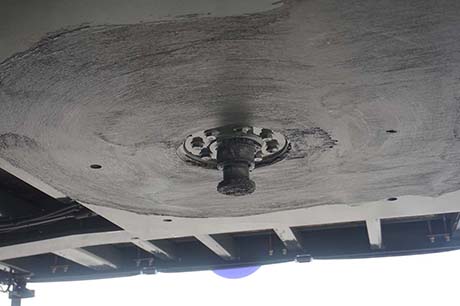
Faqs What is a trailer "Kingpin"? Understand what a trailer kingpin is, how it connects to the fifth wheel, and why it’s critical for safe HGV coupling and weight transfer.
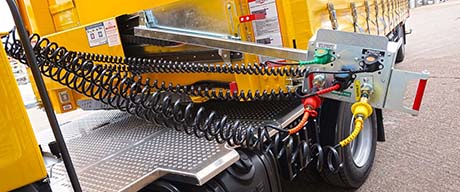
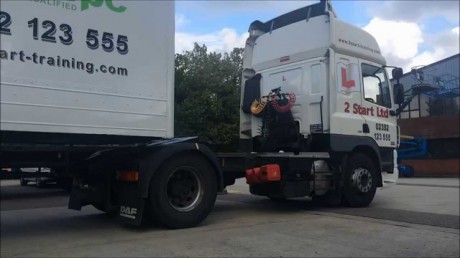
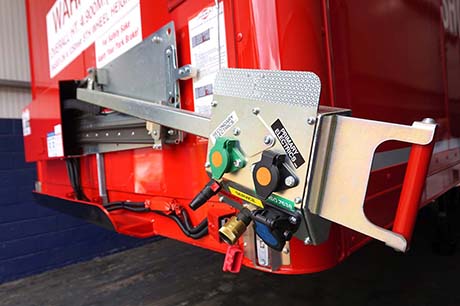
Faqs What are trailer coupling "Suzies"? Suzies are coiled air and electrical lines connecting a tractor to a trailer. Learn how they work and where the name “Suzie” originally came from.
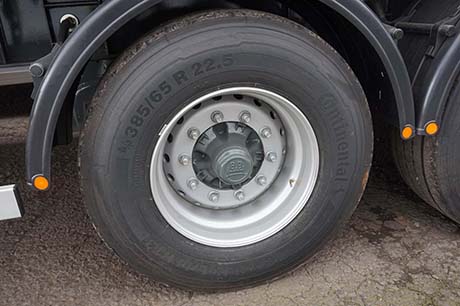
Faqs How to Read Tyre Sizes and Markings Clear guidance on reading HGV tyre markings such as 385/65 R22.5 160K, including width, aspect ratio, construction, rim size, load index and speed rating.
Faqs What is 'TIR' on commercial trailers? What TIR approval means for HGV trailers: build rules, sealing points, curtainsider specifics, approval plates, in-service markings and re-inspection requirements.
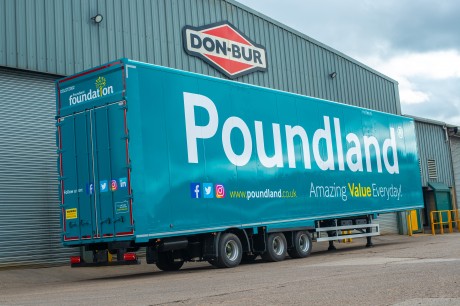
Faqs How tall are double deck trailers? Double deck trailers in the UK can be built up to 4.95m. EU limits are 4.0m max, so deck heights vary based on loading method and aperture required.
Faqs What Is An Expected Commercial Trailer Lifespan? A well-maintained commercial trailer can last 20–22 years, with 10–12 years of primary use followed by a second life in lower-intensity or overseas markets.
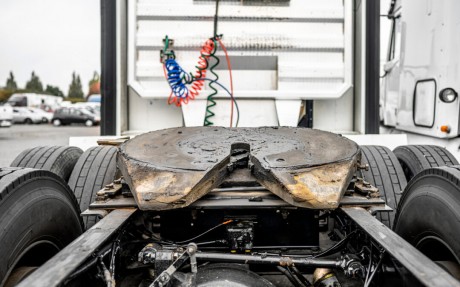
Faqs What is an HGV tractor fifth wheel? The fifth wheel is the coupling on an HGV tractor that locks onto the trailer kingpin, enabling articulation, weight transfer, and safe towing.
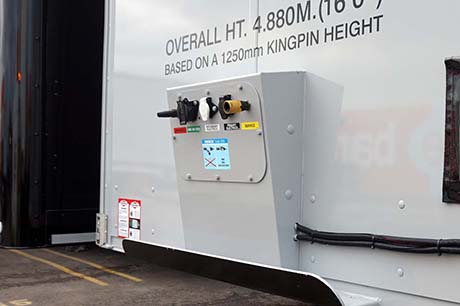
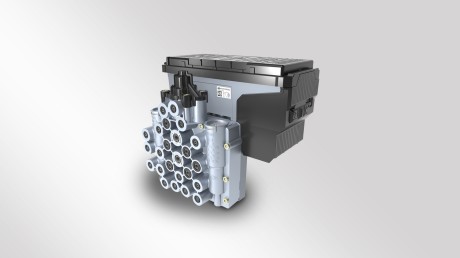
Faqs What is an HGV trailer ECU? An HGV trailer ECU controls systems like EBS, ABS, and air suspension. Powered via ISO 7638, it enhances safety by adapting braking and suspension in real time.
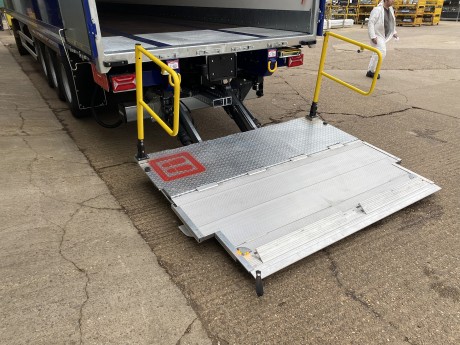
Faqs What Sort of HGV Trailer Tail-Lifts Are There? HGV trailer tail-lifts include tuckaway, column, retractable, and cantilever types — each suited to different deck layouts and loading operations.
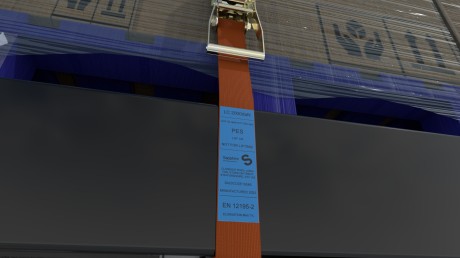
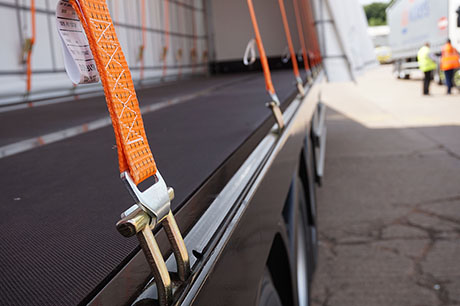
Faqs What is the load restraint standard EN 12195 (Part 1/2)? EN 12195: European standard for commercial vehicle load restraint | Calculate strap strength and set testing standards for secure loads.
Faqs EBPMS | Electronic Braking Performance Monitoring System EBPMS stands for Electric Braking Performance Monitoring System and is a system to continually monitor how effective the brakes are at any given time.
Faqs What are the different types of HGV landing leg feet? Common types of trailer landing leg feet include wheeled, flat, and compensating rocker feet — each suited to different ground and loading conditions.
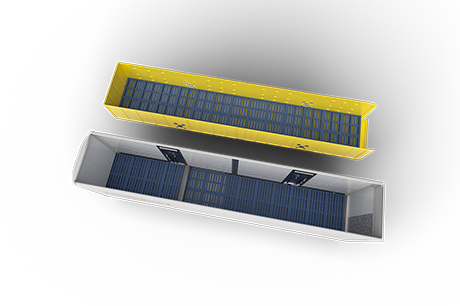
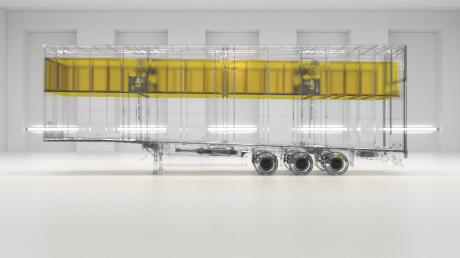
Faqs How does a hydraulic double deck trailer work? Don-Bur's 'Lifting Decks,' evolving since the late '80s, use hydraulic rams and cables for precise lifting. Electric-powered and resistant to jamming.
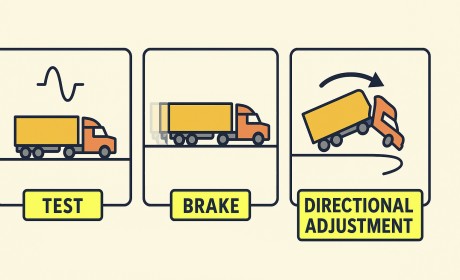
Faqs What is HGV Trailer Roll Stability? (RSS, RSP or RSC) Understand how trailer rollover prevention systems like RSS, RSP and RSC work, including key stages, sensor input, and driver safety insights.
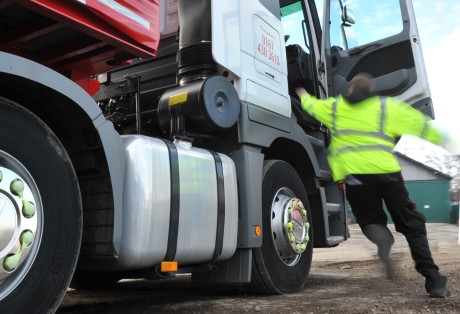
Faqs What is HGV Trailer Rollaway And Why Does It Happen? Prevent trailer rollaway risks! Learn why applying park brakes is crucial. Don-Bur's infographic explains trailer air brakes to enhance safety during coupling.
Faqs What is Commercial HGV Trailer Vehicle Type Approval? Ensure vehicle compliance with Type Approval. 'E' marks and Certificates of Conformity validate standards. VCA oversees EU WVTA, NSSTA, and IVA in the UK.
Faqs EN 12640 load restraint and lashing point standard Plain-English guidance on BS EN 12640 lashing point requirements, including definitions, compliance criteria and how the standard supports safe load restraint.