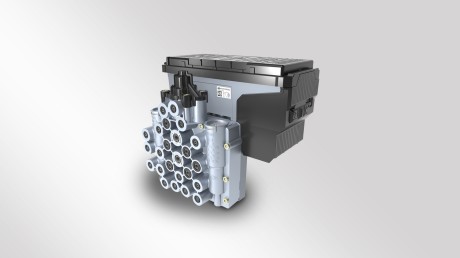
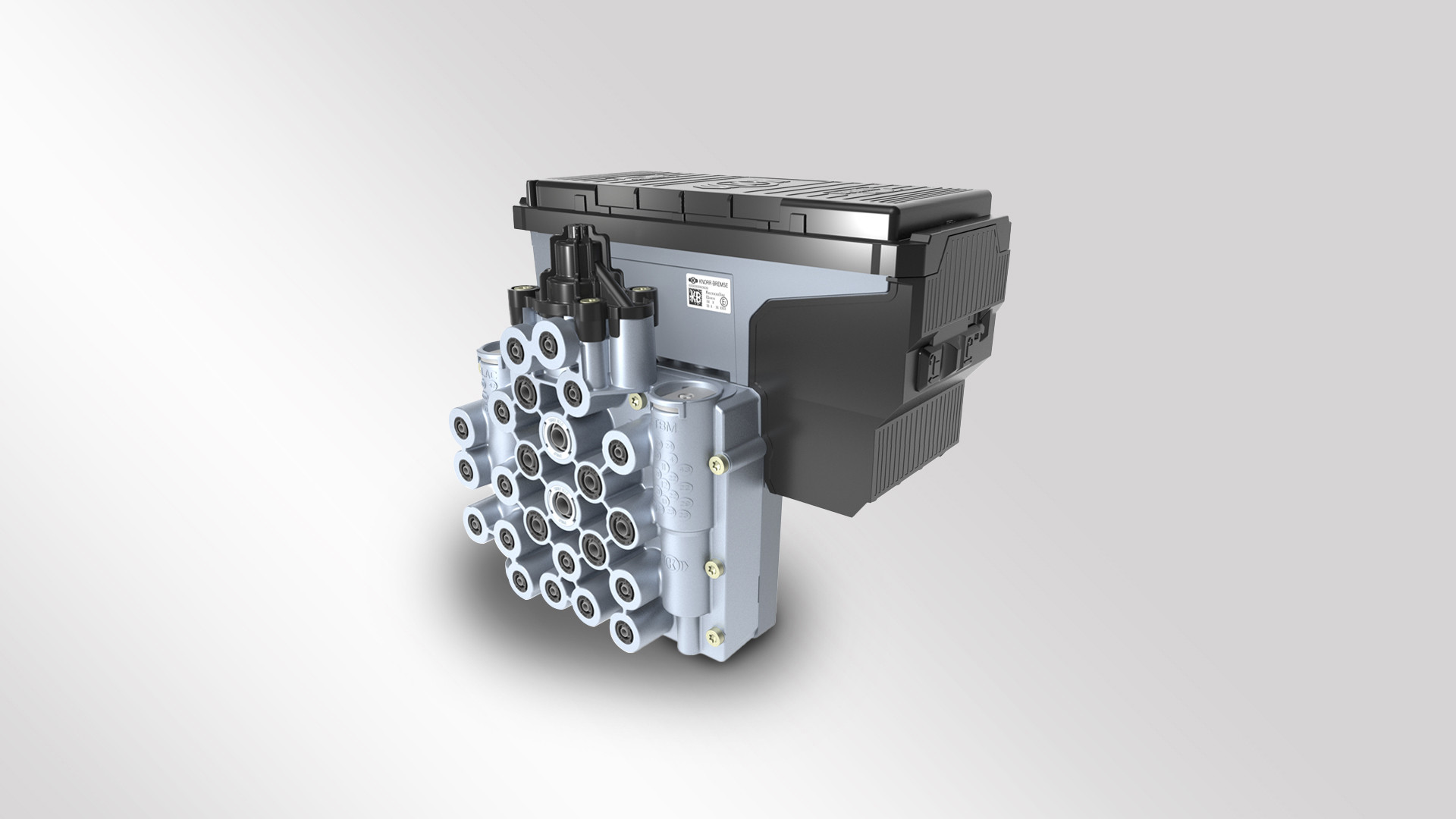
An HGV trailer ECU (Electronic Control Unit) is an onboard computer that manages core safety systems on a commercial vehicle trailer. It controls electronically regulated braking, stability functions and air suspension using continuous real-time sensor data.
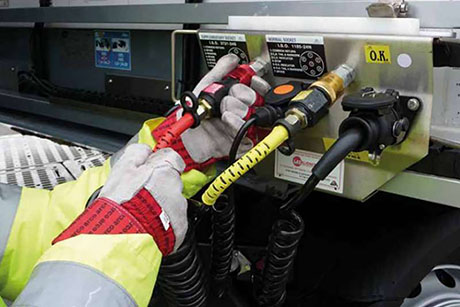
The ECU is typically powered via the ISO 7638 electrical connection from the tractive unit. It receives wheel speed, load and pressure signals, then calculates and applies the correct braking force at each axle. This ensures proportional braking, prevents wheel lock-up and maintains vehicle stability under varying load and road conditions.
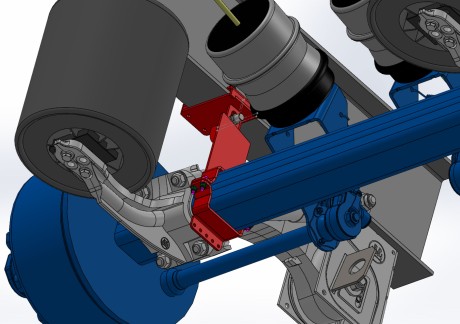
In addition to braking control, the ECU manages load-sensing and ride height functions through the air suspension system. By electronically coordinating these systems, it replaces older purely mechanical control methods and enables improved consistency, response speed and regulatory compliance.
What systems does a trailer ECU control?
- EBS - Electronic Braking System for proportional, electronically controlled braking
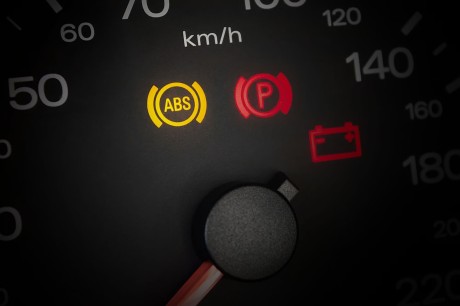
- ABS - Anti-lock Braking System to prevent wheel lock-up under heavy braking
- Load-Sensing - Automatic brake force adjustment based on axle load
- Air Suspension - Ride height control and load levelling
- RSS - Roll Stability Support to reduce the risk of trailer rollover
How is a trailer ECU powered?
A trailer ECU is normally powered through the ISO 7638 electrical connector between the tractive unit and trailer. This provides a dedicated power and data supply for electronically controlled braking systems.
How does Regulation 156 affect ECUs?
UN Regulation No. 156 sets requirements for software update management systems on vehicles subject to UNECE type approval. Where a trailer ECU forms part of an approved vehicle system and supports software updates, manufacturers may be required to manage, document and control software changes in line with those provisions. The regulation focuses on controlled updates, traceability and maintaining type approval compliance.
Why is the trailer ECU important?
The trailer ECU ensures braking performance remains stable and proportional across different load conditions. By electronically managing braking and suspension systems, it improves control, stability and regulatory compliance compared with purely mechanical systems.