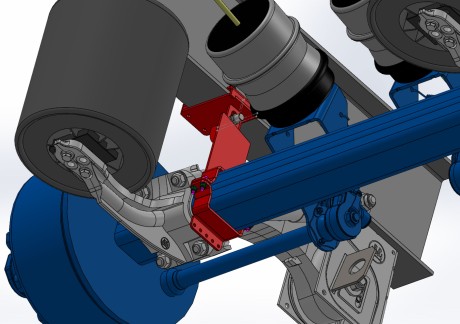
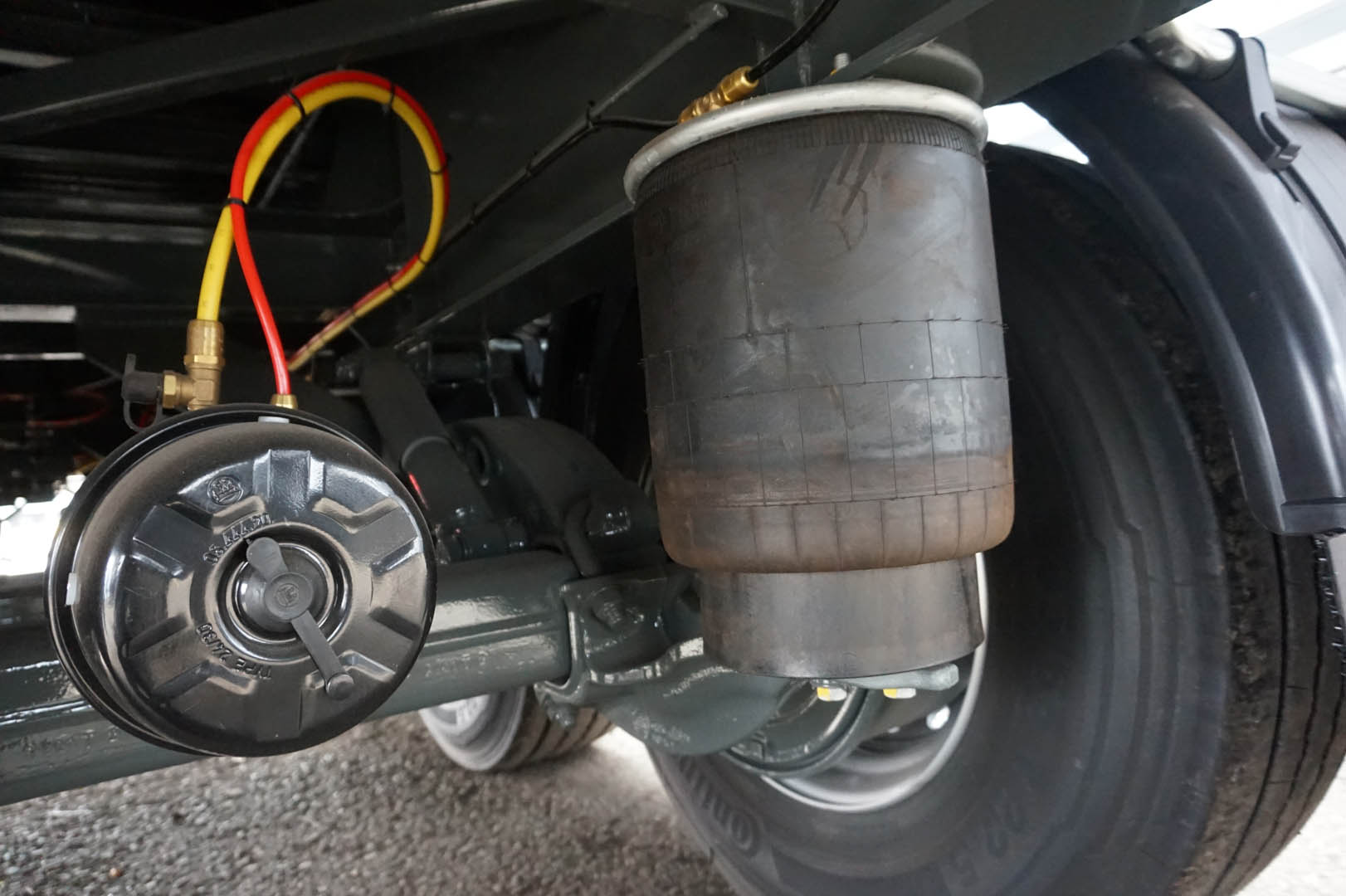
In the UK, air bag suspension has become the dominant choice for commercial trailers, surpassing traditional leaf spring systems. This shift reflects the numerous advantages air suspension offers for heavy-duty hauling and compliance with weight regulations.
Modern and Road-Friendly
Unlike the outdated leaf spring design, air bag suspension provides a smoother ride, reducing wear and tear on the trailer and protecting cargo from damage. This characteristic is also recognised by UK regulations, allowing trailers with air suspension to potentially carry higher Gross Vehicle Weights (GVW) within plated gross combination weights.
Adjustable for Efficiency
Air bag suspension boasts the key advantage of adjustable ride height. This functionality offers exceptional versatility:
- Running Height: This refers to the desired ride height for the trailer chassis during normal operation.
- Raising Function: Primarily used for replacing tyres, the raising function allows for increased clearance between the tyres and mudflaps, facilitating easier removal and installation.
High Lift Options for Double Decks
For double-deck trailers, a special high lift air suspension system can be employed. This system raises the suspension by up to 250mm, ensuring the rear deck reaches a height that aligns with standard dock heights (typically 1.2 metres). This feature streamlines loading and unloading processes for double-deck configurations.
Automatic Return to Ride Height
Most modern trailers equipped with air bag suspension boast an automatic return to ride height function. Once the trailer reaches a set speed, the system automatically adjusts the air pressure to return the suspension to its optimal running height. This ensures efficient operation and eliminates the need for manual adjustment after raising or lowering for maintenance purposes.
Control Options
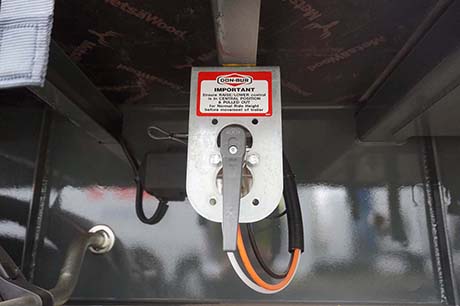
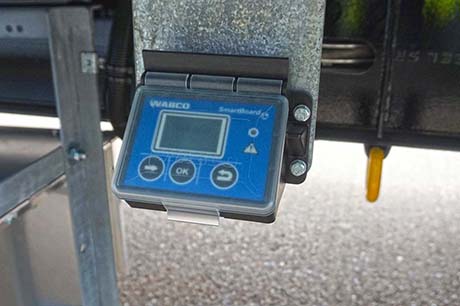
While not a regulatory requirement, most trailers feature a standard raise/lower valve located at the rear of the axles for manual adjustment. Additionally, trailers can be equipped with alternate control locations for increased convenience. These may include:
- Rear of Trailer: This placement offers easier access during maintenance or coupling/decoupling procedures.
- Internal Controls: Some trailers feature internal controls within the trailer itself, ideal for specific applications where adjusting the suspension from inside the trailer might be advantageous.
Conclusion
Air bag suspension has become the standard for UK trailers due to its improved ride quality, adjustability for loading and tyre changes, potential for increased GVW capacity, the convenience of automatic return to ride height, and the flexibility of control options. Its versatility and ability to accommodate specific trailer applications solidify its dominance in the UK market.
We’d love to hear from you – get in touch today!