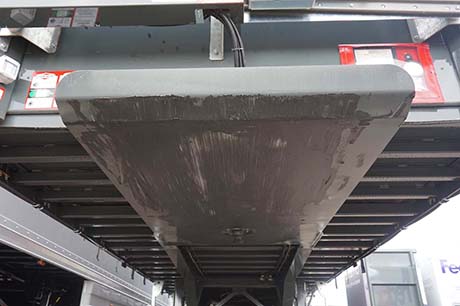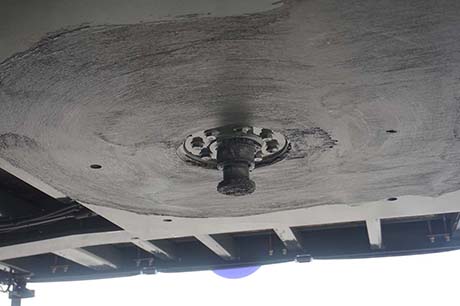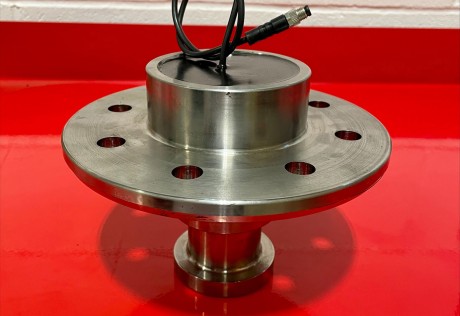
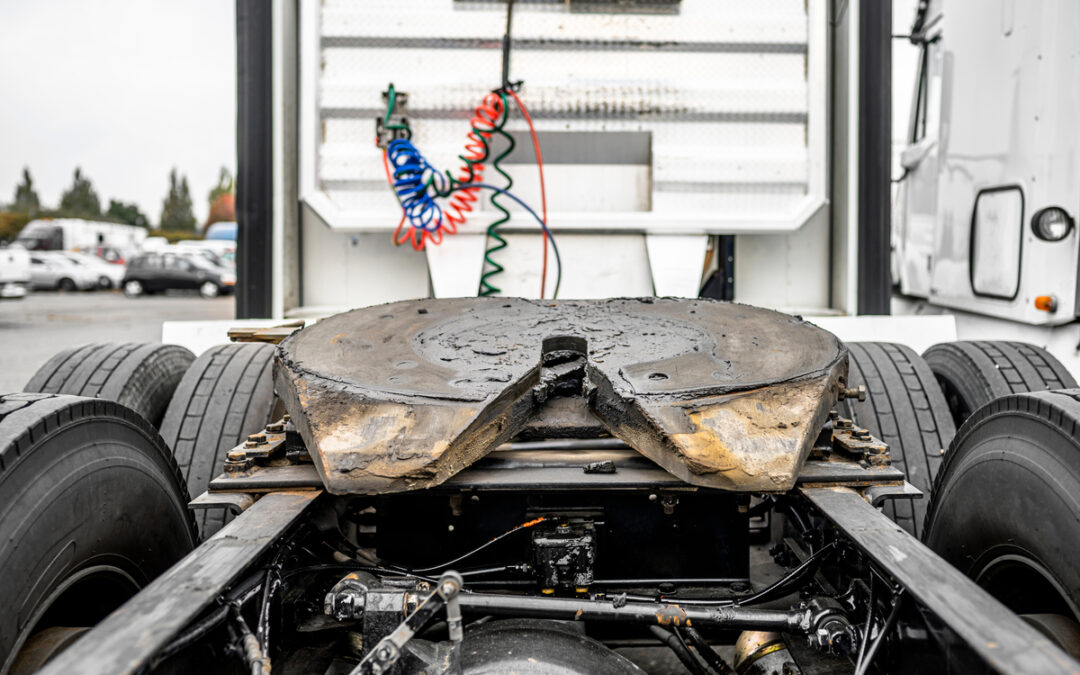
The fifth wheel is a crucial component of Heavy Goods Vehicles (HGVs), serving as the linchpin in connecting the tractor unit to the trailer. Let's dive into the details:
1. What is the Fifth Wheel?
- The fifth wheel is a large, flat, and circular coupling device mounted on the rear chassis of the tractor unit.
2. How does it work?
- Operating like a hinge, the fifth wheel enables pivotal movement between the tractor and trailer, facilitating smooth navigation around corners and over varied terrain.
3. Why is it called the Fifth Wheel?
- The term "fifth wheel" originated from early automotive design, where a four-wheel vehicle had an additional wheel at the front for steering. Over time, the term evolved to denote the coupling mechanism on trucks.
4. How is it connected?
- In the coupling process, the tractor unit is reversed, allowing the jaws of the fifth wheel to securely clamp onto the kingpin. This establishes a robust connection between the tractor and the trailer.
5. Why is it important?
- Essential for stability and maneuverability, the fifth wheel evenly distributes the weight of the trailer on the tractor's rear axles, ensuring balance and preventing overloading on any single axle.
6. Maintenance tips:
- Regular lubrication is crucial for smooth operation. Conduct routine inspections for wear and tear, and replace parts as necessary. Proper maintenance enhances safety and extends the life of the fifth wheel.
Remember, a well-maintained fifth wheel isn't just a connection point; it's a key player in ensuring a safe and efficient journey for HGVs.
We’d love to hear from you – get in touch today!