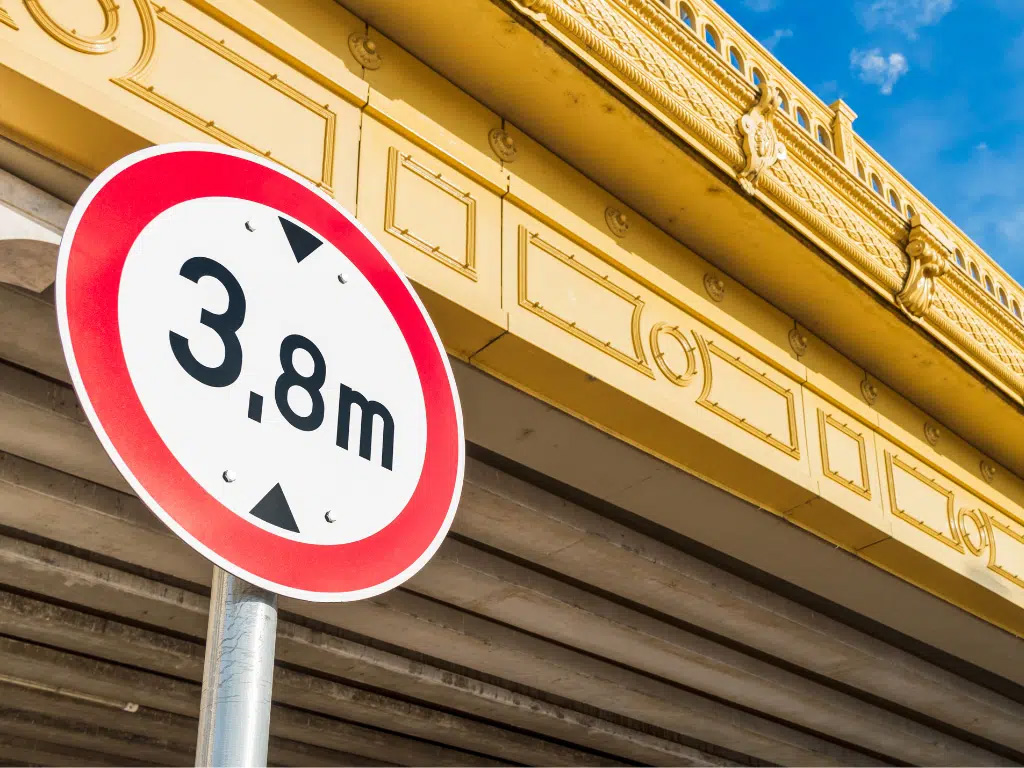
Bridge height restrictions are a critical consideration for HGV drivers and transport planners. Although modern UK highways are generally built to accommodate high vehicles, many older structures offer limited headroom. Knowing how bridge clearances are defined, and why they vary, helps operators plan safer and more efficient routes.
UK design standards for bridge height
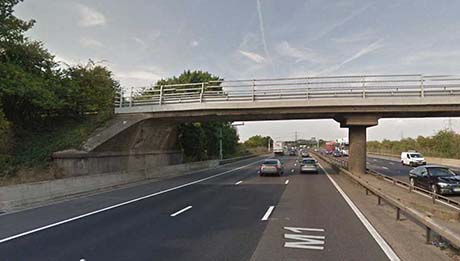
The design-standard headroom for major UK highways is 5.03 m (16 ft 6 in), as set out in the Design Manual for Roads and Bridges (DMRB CD 127: Cross-sections and headrooms). This target is applied to trunk roads and motorways to accommodate large commercial vehicles and overhead structures such as gantries.
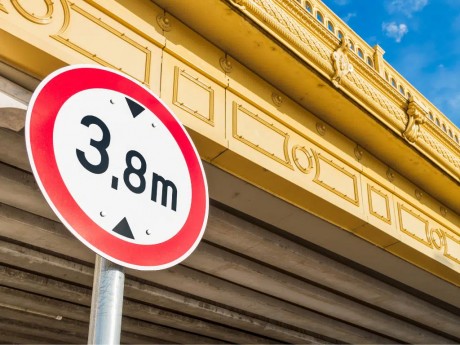
This is a design benchmark rather than a legal requirement. Many older or locally maintained routes, especially in urban or rural areas, fall below this standard. Any bridge with less than 5.03 m clearance must display a height-restriction sign showing the lowest point of the structure across the active carriageway.
Posted bridge heights are measured at the lowest point within the traffic path. This ensures the signed height reflects the most restrictive part of the span, regardless of the bridge’s shape or construction.
Why bridge heights vary
- Age of infrastructure: Older railway and canal bridges pre-date modern clearance standards and often remain below current design expectations.
- Ownership and responsibility: Structures managed by local authorities or private landowners may not align with national highway standards.
- Engineering constraints: Terrain, existing assets and cost can prevent older bridges from being raised or roads from being lowered to meet the 5.03 m target.
Bridge height management and legal duties
Drivers and operators share responsibility for ensuring a vehicle can safely pass under any bridge on its route. The Highways Act and Network Rail guidance place full liability on the operator in the event of a bridge strike. Penalties may include prosecution, insurance issues and significant repair costs.
Fleet managers should hold accurate records of vehicle heights and ensure routing systems include current low-bridge mapping data. The Bridge Strike Good Practice Guide provides a strong framework for prevention, training and incident response.
Operational good practice
- Measure and record the actual travelling height of every vehicle when loaded.
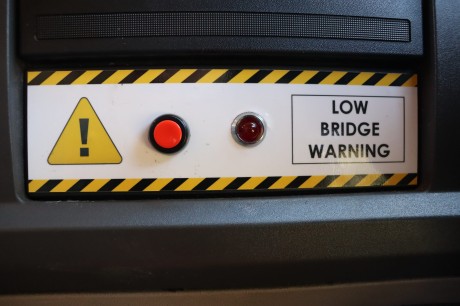
- Display that height clearly in the cab, ideally above the windscreen.
- Use HGV-specific navigation systems that include low-bridge datasets.
- Review diversion routes regularly, especially where roadworks may affect clearance.
- Train drivers to stop immediately if unsure about clearance and to report near misses promptly.
FAQs
What is the minimum bridge height on UK roads?
The design standard for new or reconstructed trunk roads and motorways is 5.03 m (16'6"), but many existing bridges are lower. Always check local signage and route data before travelling.
Who is responsible for preventing a bridge strike?
Responsibility lies jointly with the driver and operator. Drivers must know their vehicle's height and plan routes accordingly; operators must provide accurate information and training.
What should the driver do in the event of a bridge strike?
If a vehicle hits a bridge, the driver must stop immediately, switch off the engine and contact the police. Where the structure carries a railway, Network Rail should also be informed using the emergency number displayed on the bridge. The vehicle must not be moved until authorised by the relevant authorities, as unseen damage could endanger rail or road users.