Floor Phenolic Ply

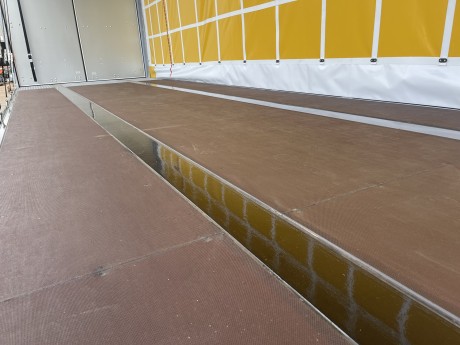
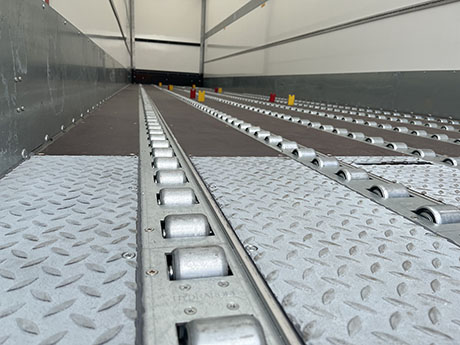
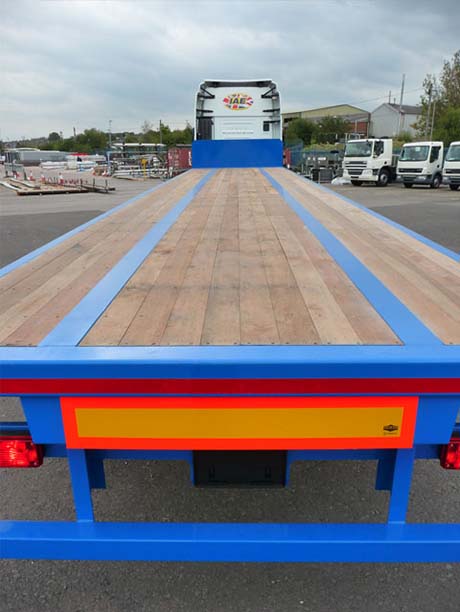
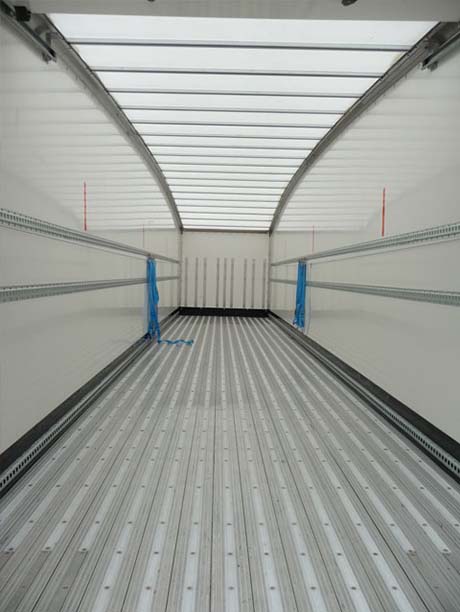
Phenolic Coated Flooring

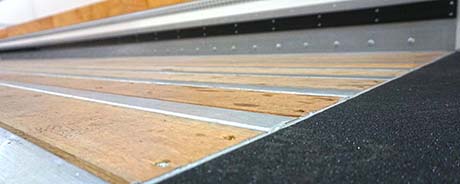
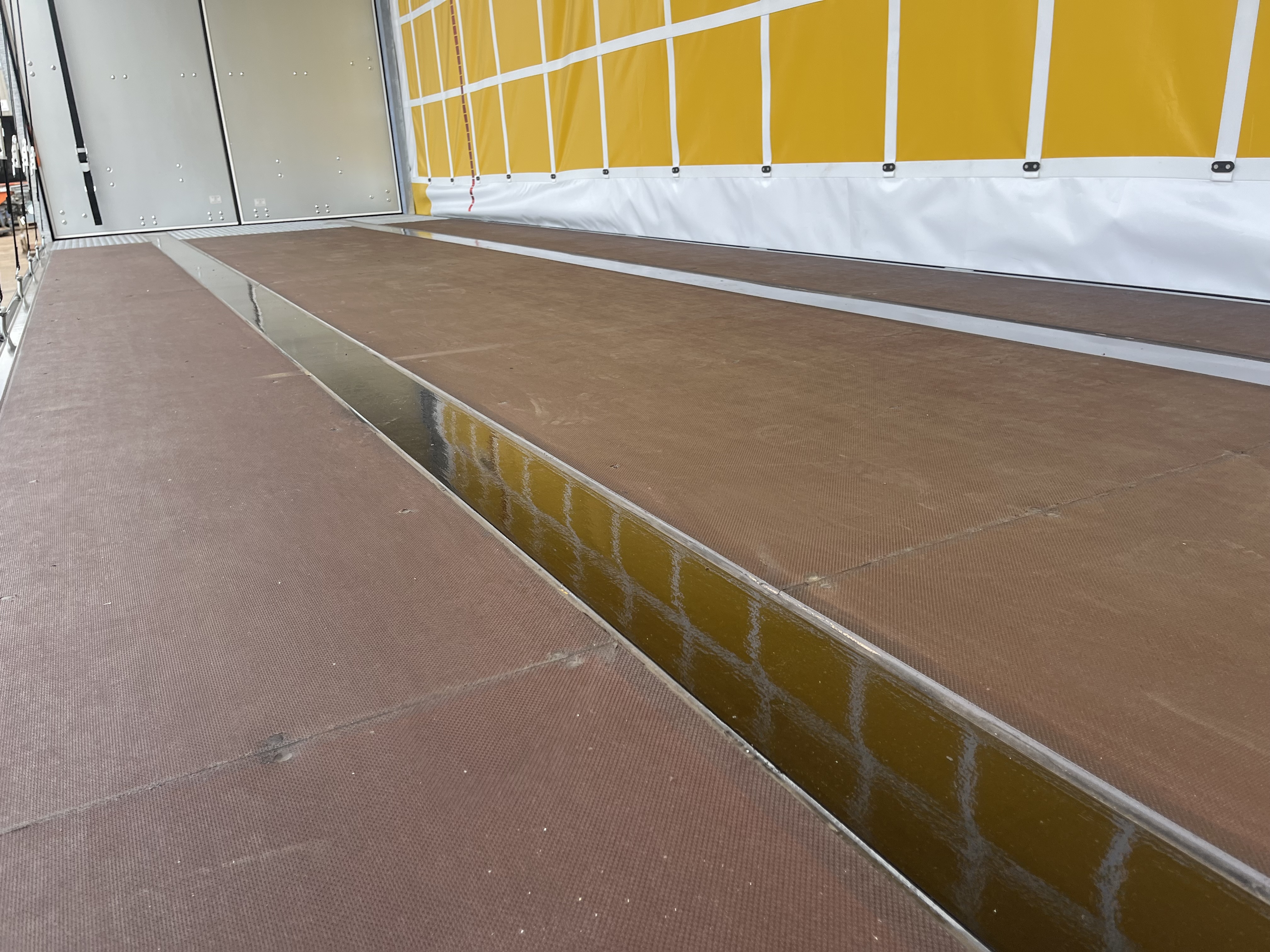
Phenolic coated plywood flooring is a composite panel made from laminated plywood with a bonded phenolic resin surface. The coating provides a durable, slip-resistant finish suitable for demanding commercial vehicle environments.

The layered construction delivers predictable bending performance and good abrasion resistance. Panels are supplied in a range of thicknesses and ply counts, allowing operators to match the specification to anticipated wheel loads and handling patterns.

Typical Benefits

  • Laminated plywood construction for consistent structural performance
  • Textured phenolic coating for improved slip resistance
  • Wide availability of thickness and ply configurations
  • Cost-effective and straightforward to maintain or replace

Board Orientation and Structural Specification

Plywood is engineered so that one direction is stronger and stiffer than the other. For vehicle flooring, manufacturers generally intend that this primary strength runs along the length of the trailer.

Two installation methods are common across the industry. With cross-boarding, panels are laid so their longest dimension spans the trailer width. Standard plywood layouts are typically used, with the strongest internal veneer orientation aligned with the trailer length.

With longitudinal boarding, panels are placed with their longest dimension following the trailer length. In these cases, special plywood constructions are supplied so that the strongest direction follows the long panel dimension. Regardless of method, the design intent is the same: the principal strength of the board runs fore and aft.

Plywood is specified by thickness and ply count, for example 27 mm / 19-ply. These parameters influence bending strength, stiffness and point-load capacity. They should be selected with reference to both chassis design and expected wheel or equipment loads.

Point-Load Ratings and ISO 1496 Guidance

Most flooring manufacturers publish point-load values based on a defined test footprint, often informed by ISO 1496 principles. These ratings help operators confirm whether a particular flooring specification is suitable for equipment such as forklifts, pallet trucks and powered pallet movers. Rating tables typically detail maximum wheel load, applied pressure (kg/cm2) and calculated deflection for specified bearer spacings.

WISA-Trans is described as a slip-resistant plywood panel for demanding flooring applications in transport and construction.

UPM PlywoodWISA-Trans Mk2

Metsa Wood Deck is described as a durable, rough-surfaced flooring panel with a slip-resistant wire mesh pattern for wear-resistant applications.

Metsa WoodMetsa Wood Deck

Common Industry Chassis Examples

Industry application guides demonstrate how chassis layouts influence boarding patterns while maintaining the strongest board direction along the trailer length:

  • Type 2 (Longitudinal Boarding): Panels sit between the main longitudinal beams and are supported by transverse cross-bearers. Boards are laid lengthways, and special plywood constructions are used to ensure the strongest direction follows the trailer length.
  • Type 3 (Cross-Boarding): Cross-bearers sit on top of the main beams. Boards run across the trailer width, but standard plywood is specified so that the strongest veneer direction still aligns with the trailer length.

In both configurations, aligning the strongest board direction with the trailer length improves stiffness, reduces deflection and supports concentrated point loads more effectively.

FAQ

Where is phenolic coated plywood flooring typically used?

It is commonly fitted to HGV trailer floors where a durable, non-slip and load-bearing surface is required.

What determines whether cross-boarding or longitudinal boarding is used?

The boarding pattern is driven mainly by chassis layout and panel format. Cross-boarding is used where boards run across the trailer, and longitudinal boarding is used where boards run front to back, but in both cases the strongest direction of the board is installed along the trailer length.

Why does grain direction matter?

Plywood is stronger and stiffer in one direction. Installing the strongest direction along the trailer length ensures the floor can better resist fore and aft loading from braking, acceleration and material handling equipment.

How do ply count and thickness affect flooring performance?

Higher ply counts and thicker boards generally provide greater bending stiffness, reduced deflection and higher point-load capacity, provided they are correctly matched to the chassis design.

What is a point-load rating?

Point-load ratings indicate how much concentrated wheel or equipment load a board can safely support over a defined footprint. They are often derived from ISO 1496-based testing and allow operators to confirm suitability for forklifts and other handling equipment.


To enhance our content, some features in the Don-Bur library may include information from trusted third parties. We encourage you to perform your own research and seek additional advice before making any investment or financial decisions based on the information provided. Don-Bur assumes no responsibility for the accuracy, completeness, or timeliness of third-party information.

Need to get in touch?

Whether you're looking for advice, requesting a quote or needing technical support — we're here to help.

Don-Bur (Bodies & Trailers) Ltd

phone icon
Call us
+44(0)1782 599 666