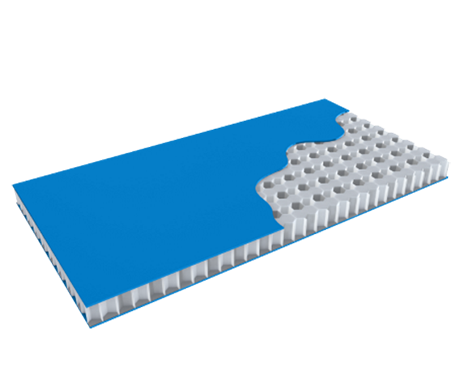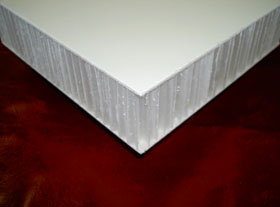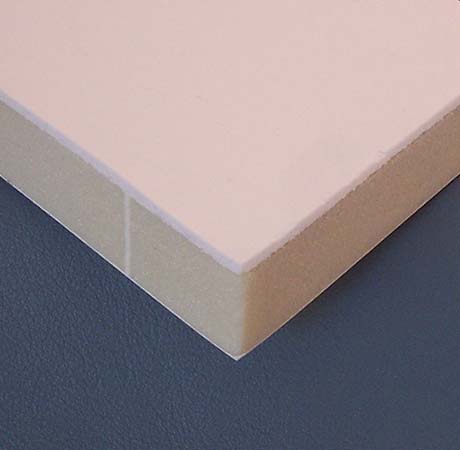
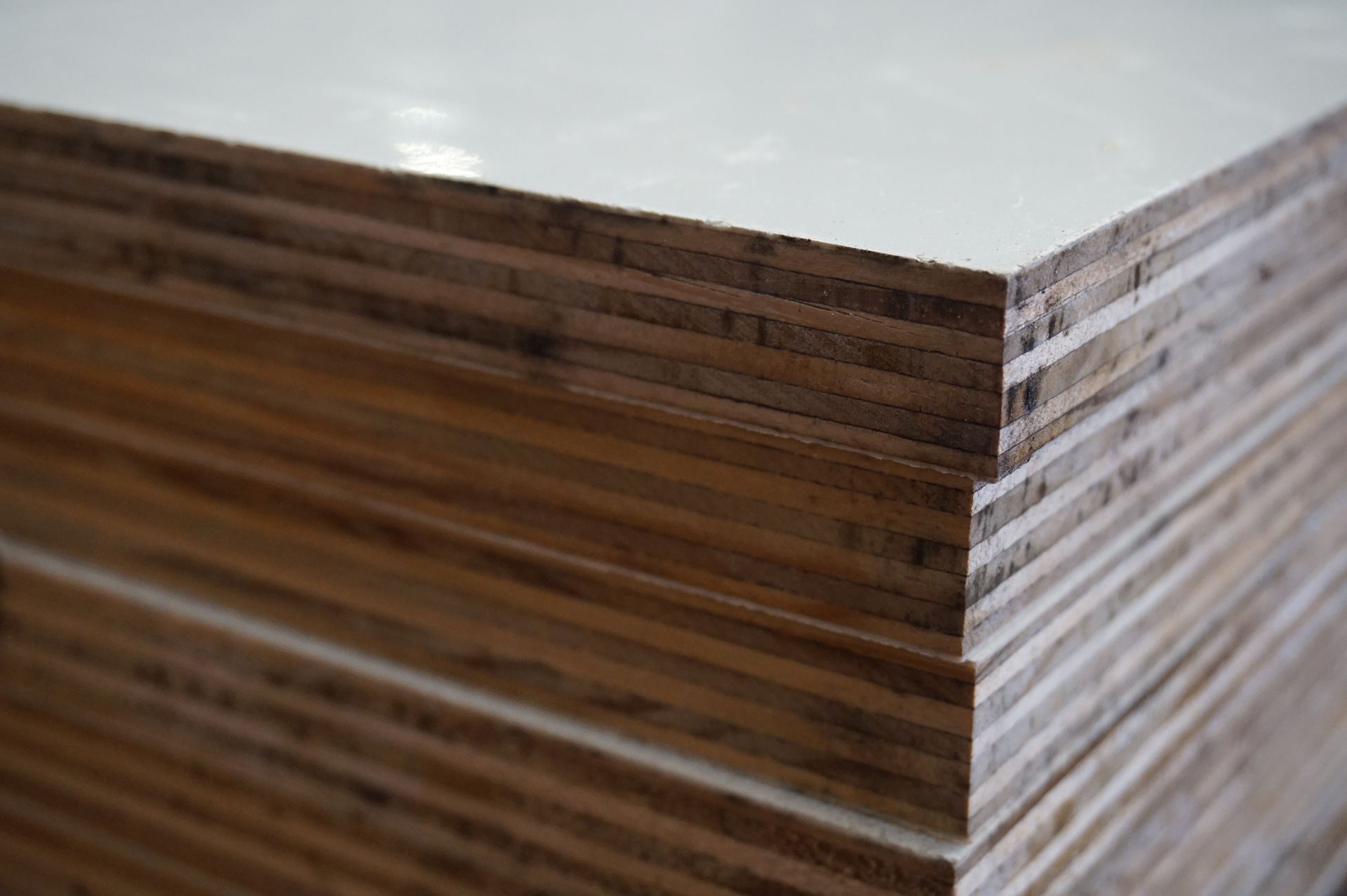
Glass reinforced plastic (GRP) panels consist of a soft plywood core laminated with a GRP outer skin. This laminated structure provides a stable, smooth panel that has become a common standard across UK commercial vehicle bodywork.
At a nominal 20 mm thickness, GRP panels typically weigh around 16 kg per square metre. Weight can vary slightly depending on the core material and resin content.
Recyclability
GRP panels are not currently recyclable through conventional mechanical recycling streams. The thermoset resin matrix and bonded plywood core make separation difficult in a commercially viable way. Disposal routes often involve energy recovery or specialist handling.
Flammability
Standard GRP laminates support active flame spread due to the nature of thermoset resins. Some suppliers offer modified fire-retardant resin systems, but these must be specified at manufacture and do not alter the behaviour of standard GRP products.
Damage and Water Ingress
If the GRP outer skin is pierced, cracked or abraded, moisture can migrate into the underlying plywood core. Prolonged water ingress may lead to swelling, localised delamination and loss of structural rigidity. The affected area can also expand over time as the wood fibres draw in moisture.
Once saturated, the core may become more susceptible to fungal decay, especially if damage remains unsealed. Repairs typically involve removing the compromised laminate, drying or replacing the affected timber, and reinstating the GRP layer to restore integrity.
FAQs
What is the core material used in GRP panels?
Most GRP panels for vehicle bodies use a softwood plywood core, selected for stability, bond strength and predictable mechanical properties.
Why are GRP panels difficult to recycle?
The GRP skin and plywood core are chemically bonded. This prevents economical separation and means conventional recycling methods cannot process the material.
Are GRP panels suitable for high-temperature environments?
Standard GRP panels can deform or degrade under sustained high temperatures. Applications requiring elevated thermal resistance normally use alternative composite systems or metals.
To enhance our content, some features in the Don-Bur library may include information from trusted third parties. We encourage you to perform your own research and seek additional advice before making any investment or financial decisions based on the information provided. Don-Bur assumes no responsibility for the accuracy, completeness, or timeliness of third-party information.